History & culture
ShqipA country older than its own name.
Albanian is a branch of the Indo-European family all by itself, with no close living relative anywhere on earth. Around that language sit three thousand years of Illyrians, Romans, Byzantines, Ottomans, a dictatorship and an opening. This page tells it with sources, for Albanians and for anyone about to arrive.
3,000+
years of history
1
branch of its own
10
UNESCO listings
173,371
bunkers
The Language
A language with no cousins.
Every other European language you can name has a close family: Italian has Spanish, German has Dutch, Polish has Czech. Albanian has nobody. It is its own branch of the Indo-European tree, and it has been for thousands of years. Tap a branch to see who is on it.
Living branch
Albanian
Its own branch. No close living relative anywhere.
Tap any branch
Contested
Is Albanian descended from Illyrian?
Probably, and honestly: nobody can prove it. The Illyrians lived exactly where Albanian is spoken, which makes the descent plausible. But Illyrian was barely written down, so there is not enough of it left to test the claim by the normal rules of linguistics. We publish it as what it is: the strongest hypothesis, not a settled fact.
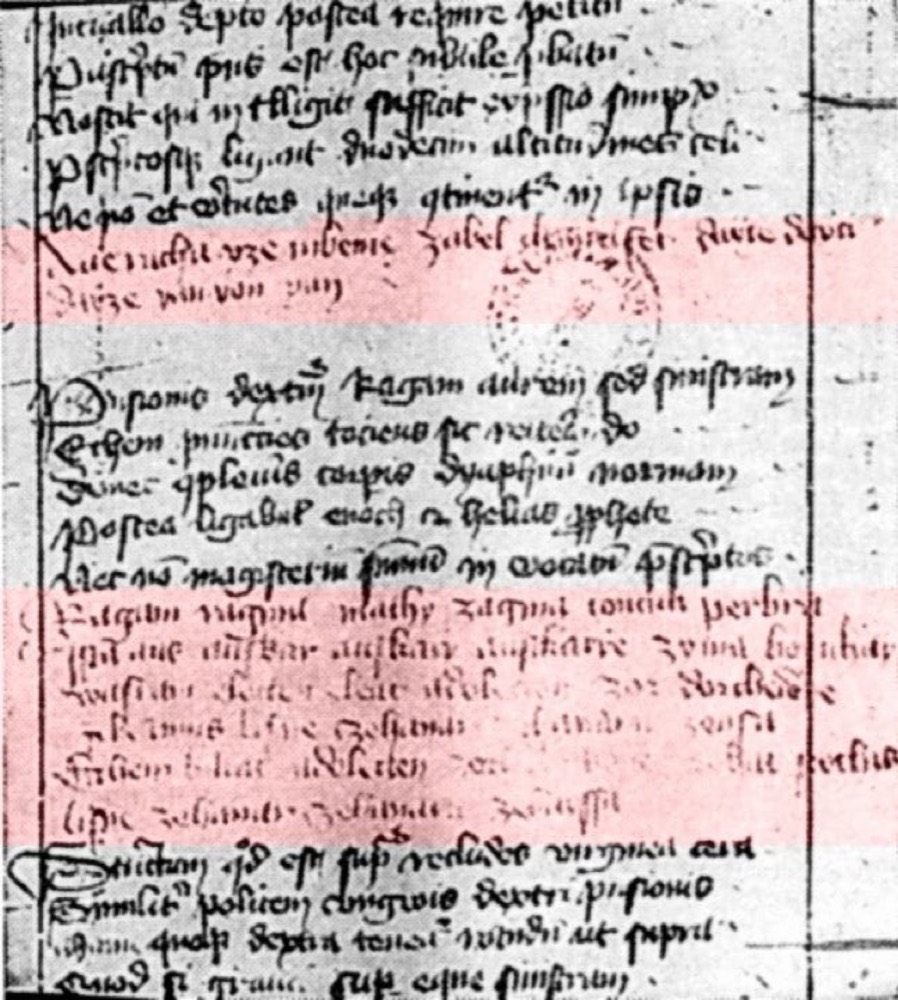
- 1462The first written lineOne sentence, a baptismal formula in Gheg, slipped into a Latin letter by Pal Engjëlli, Skanderbeg's associate. The oldest undisputed line of written Albanian.Source
- 1555The first bookGjon Buzuku prints the Meshari. One copy survives. It is the reason we can hear how Albanian sounded five centuries ago.Source
- 1908One alphabet, finallyThe Congress of Manastir picks the 36-letter Latin alphabet over Arabic, Greek and half a dozen home-made scripts. Albania still marks 22 November as Alphabet Day.Source
- 1972One standardThe Congress of Orthography in Tirana sets a single literary language, built mostly on Tosk. Gheg keeps living in the north, in song and at home.Source
Standard Albanian is built mostly on Tosk, but the two have been drifting apart for at least a thousand years and still understand each other.
Words that outlived everything
The oldest Albanian words are the everyday ones: night, son-in-law, hand, sleep, snow. Empires came through and left; those stayed.
- natënight
- dorëhand
- gjumësleep
- borësnow
- dhëndërson-in-law
- malmountain
These are inherited Indo-European words, not loans.
The ribbon
Three thousand years, in one drag.
Drag the ribbon, or tap a marker. Each stop opens the era behind it.
c. 1200 BCE
Illyrian tribes
Bronze Age tribes settle the western Balkans. Greece and Rome will call them Illyrians.
1 / 14
On the world's list
Ten UNESCO listings, and counting.
Four World Heritage sites, five living traditions, and one manuscript in the Memory of the World register. Tap a card to turn it over.
- World HeritageButrint1992Tap to turn over
- World HeritageHistoric centres of Berat and Gjirokastër2005Tap to turn over
- World HeritageOhrid region, natural and cultural2019Tap to turn over
- World HeritageAncient beech forests2017Tap to turn over
- Living traditionAlbanian folk iso-polyphony2008Tap to turn over
- Living traditionXhubleta2022Tap to turn over
- Living traditionTranshumance2023Tap to turn over
- Living traditionK'cimi of Tropojë2024Tap to turn over
- Living traditionThe lahuta: playing, singing, making2025Tap to turn over
- Memory of the WorldCodex Purpureus Beratinus2005Tap to turn over
The voice
Two voices, and a village underneath.
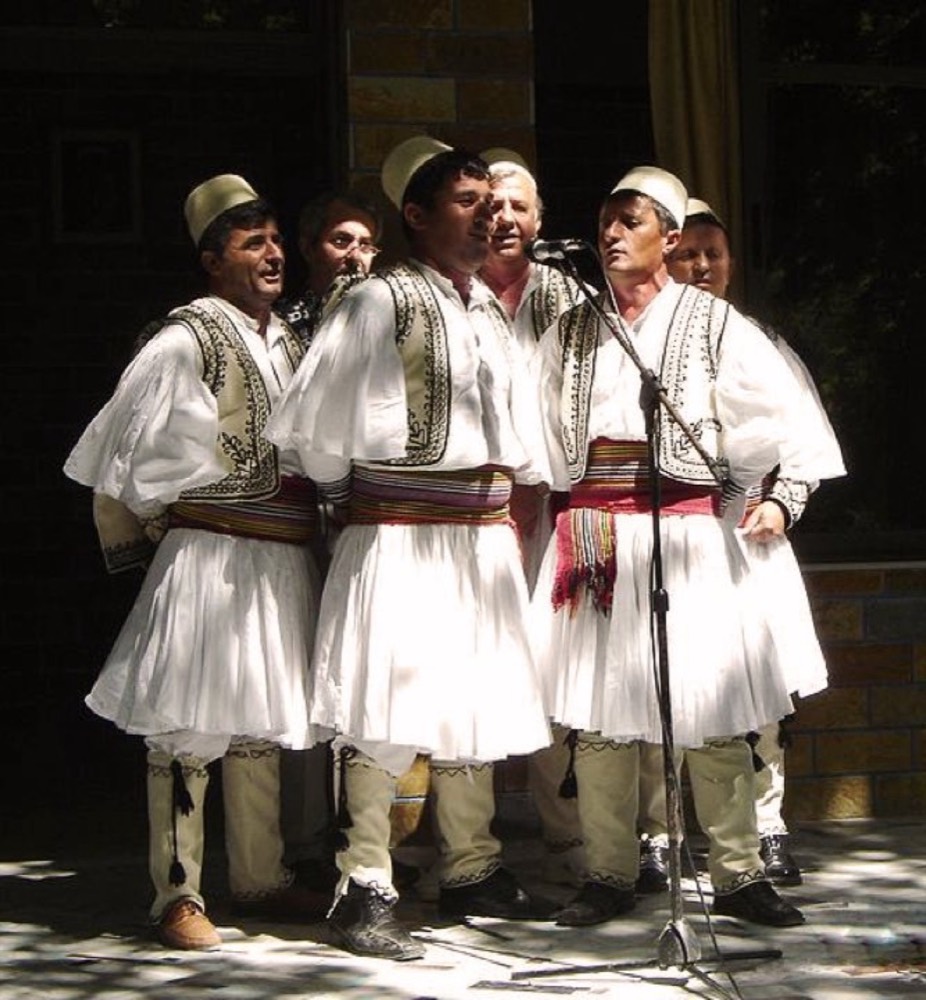
Iso-polyphony is not harmony as the rest of Europe writes it. One voice takes the song, a second cuts across it, and everyone else holds a single note, the iso, so the song never touches silence. Press play, then switch the voices off one at a time: take the iso away and the song falls through the floor.
Switch a voice off to hear what it holds up.
This choir is synthesised in your browser from the rules of a southern Lab song, so you can take it apart. It is a demonstration, not a recording: the real thing is below.
Video: UNESCO Intangible Cultural Heritage. ich.unesco.org
2026 · The Odyssey
Hollywood came to the south to listen.
For Christopher Nolan's The Odyssey, composer Ludwig Göransson wanted the sound of the ancient Mediterranean, not a symphony orchestra. He found it in the villages of southern Albania, recording iso-polyphony and shepherds' flutes. The album credits the iso-polyphonic songs to Të rinjtë e Delvinës, the young men of Delvina, with sessions in Vlorë and Tirana.
“I went to southern Albania and spent a week recording an ancient style of singing called iso-polyphony, which I'd never heard in a film before.”
The sessions ended by six in the evening, because the shepherds playing the flutes had to be up at four for their flocks.
Sources: ATA · RTSH · album credits
1 week
in southern Albania, for a Hollywood epic, recording a sound he had never heard in a film.
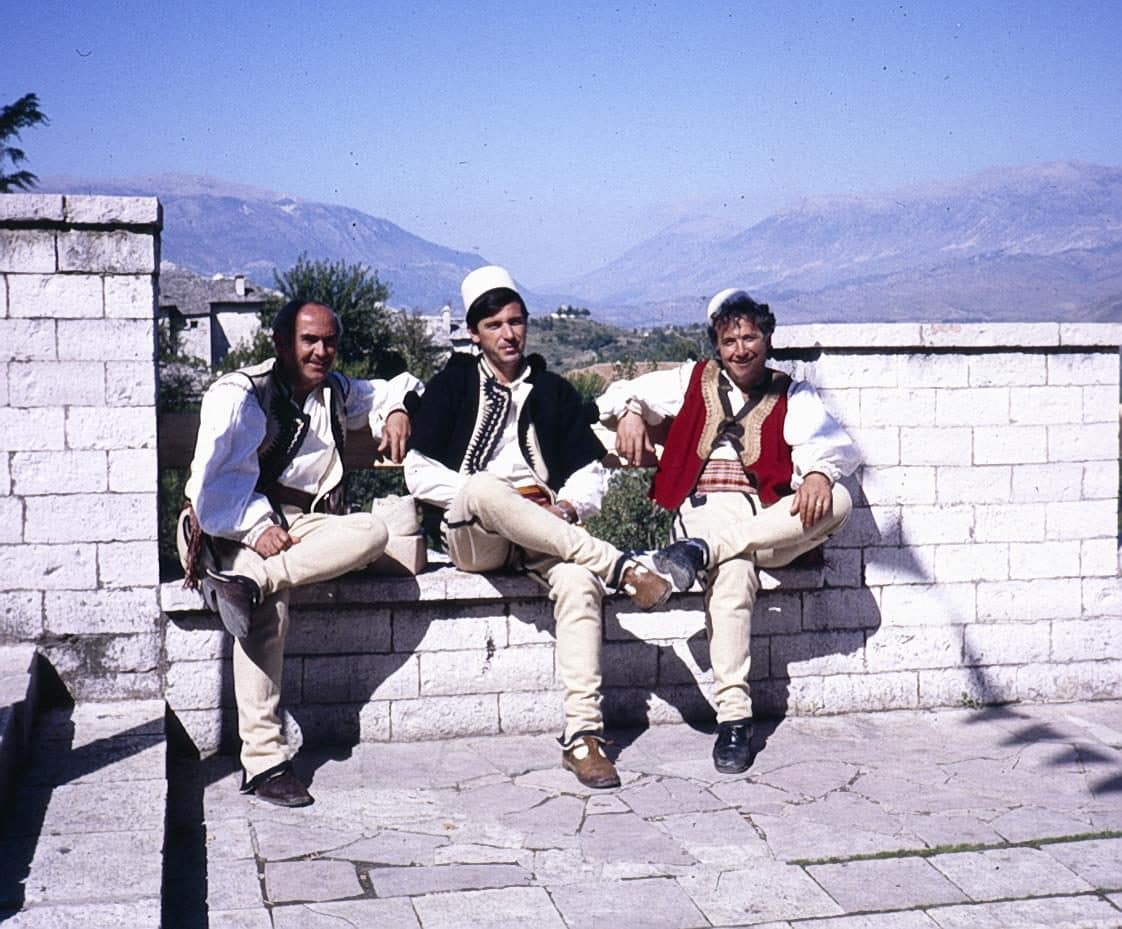
Photos: singers in Gjirokastër, 1988, and Skrapar. Credits below.
The newest thing about the song is the film.
Iso-polyphony was never written down. It passed from singer to singer, at weddings, funerals, harvests and feasts, for longer than anyone recorded. Its name comes from the ison, the held note of Byzantine chant, but nobody can say when a southern village first held one note under a song.
← How far back? Nobody wrote it down.
The last 60 years, zoomed in
1968
First National Folk Festival, Gjirokastër castle
2005
UNESCO proclaims it a Masterpiece of heritage
2008
Inscribed on UNESCO's Representative List
2026
Scores Nolan's The Odyssey
Film-strip photos: Peter, CC BY 2.0 · Gerd 72, Public domain, via Wikimedia Commons.
The concrete years
173,371 bunkers. None of them used.
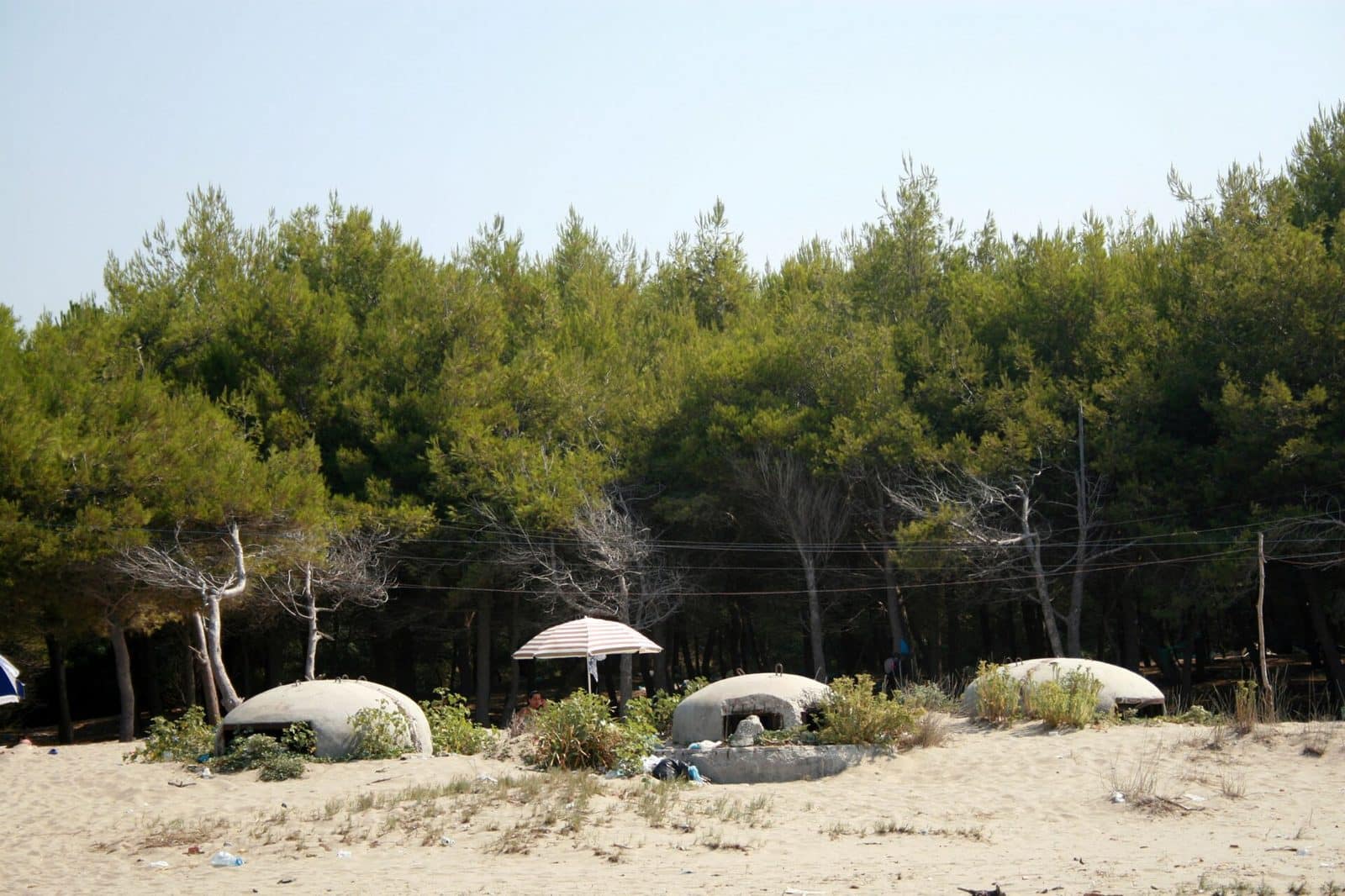
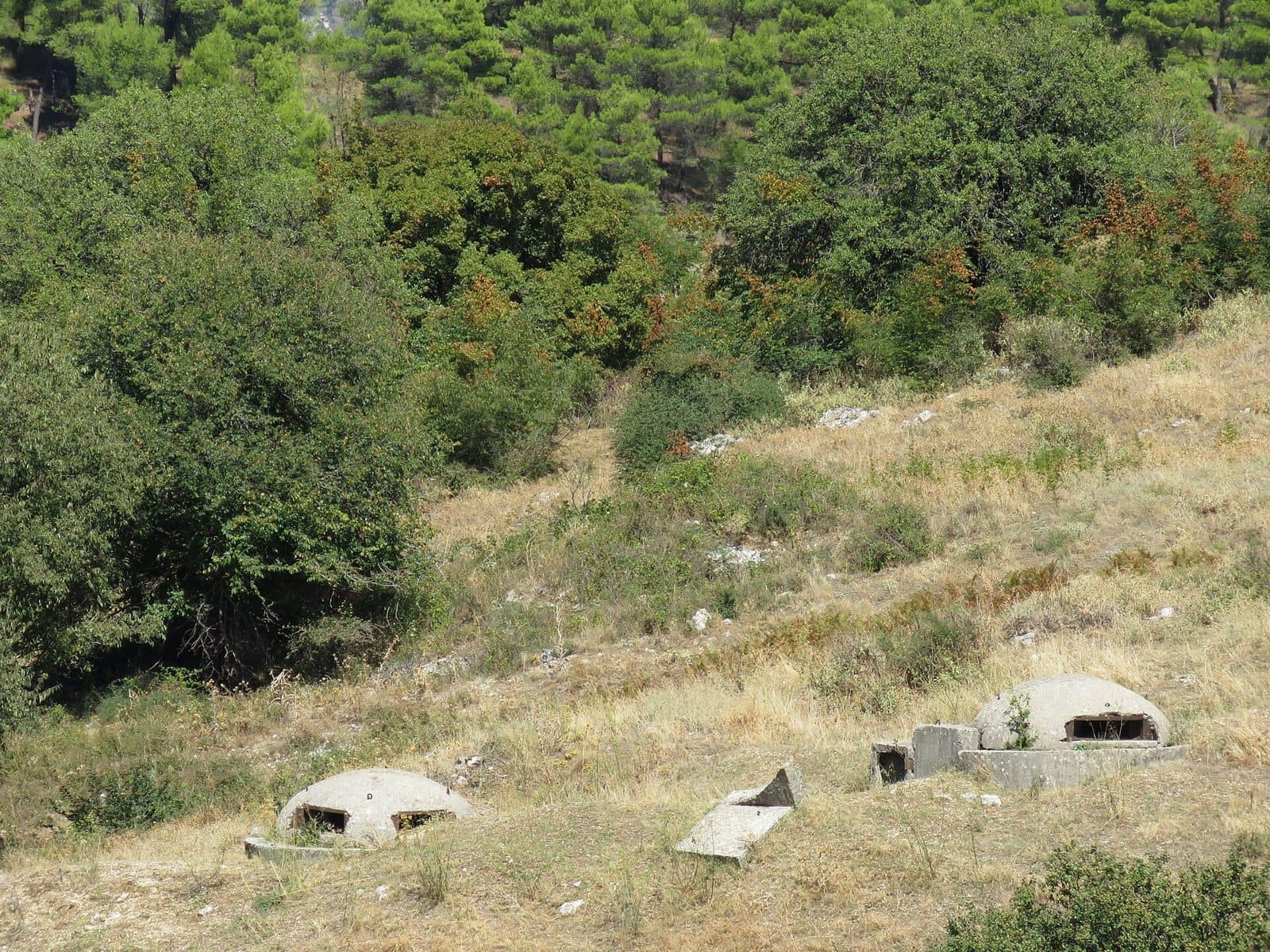
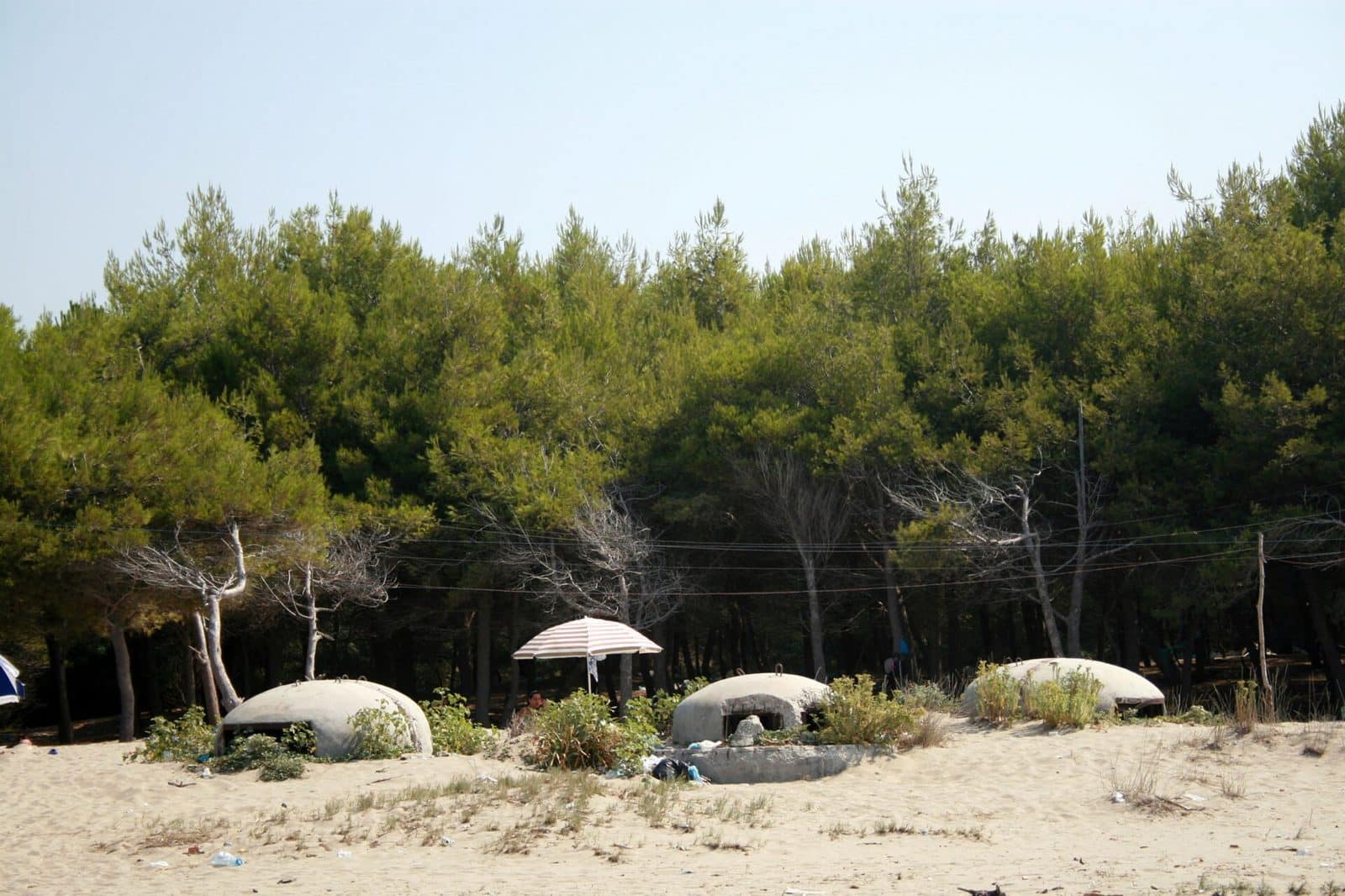
Between 1975 and the mid-1980s the state poured 173,371 bunkers and fortified positions, out of 221,143 planned. They were built against an invasion that never came, in a country short of houses and roads.
Domes are spread evenly for scale, not placed where each bunker stands.
0
bunkers and fortified positions, by 1983
≈ 6 per km²
on average, across the whole country, mountains and beaches
1 for every 16 people
Albania had about 2,843,960 people in 1983
47,772 more
were planned and never poured
0 wars
Not one was used for what it was built for.
Today they are cafés, sheep pens, storerooms, art galleries and, on the beach, somewhere to hide from the sun. You will see them from the window on almost every road we drive. Source
Population and area: World Bank.
Faith
Four faiths, one banned decade, and a habit of getting along.
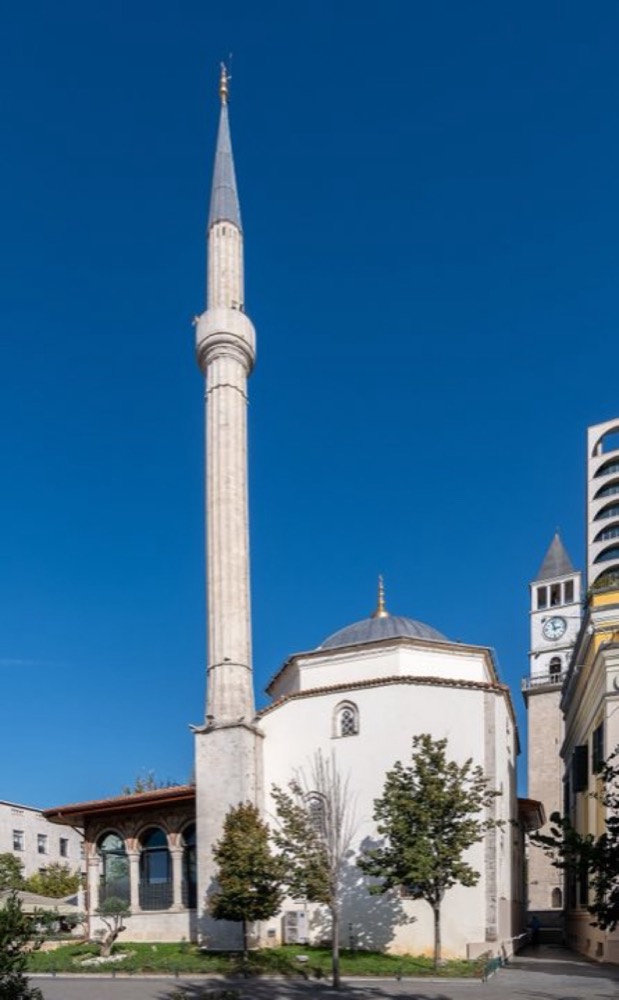
In 1967 Albania banned religion outright, the first state in the world to do so. Today the census counts Sunni and Bektashi Muslims, Catholics and Orthodox in the same villages, and Tirana holds the world headquarters of the Bektashi order. The 2023 census, in one bar:
- Sunni Muslim45.9%
- Undeclared15.8%
- Believer, no denomination13.8%
- Catholic8.38%
- Orthodox7.22%
- Bektashi4.81%
- Atheist3.55%
- Evangelical and other0.55%
Census of Population 2023, INSTAT. INSTAT
Read on
Eleven stories, sixteen places.
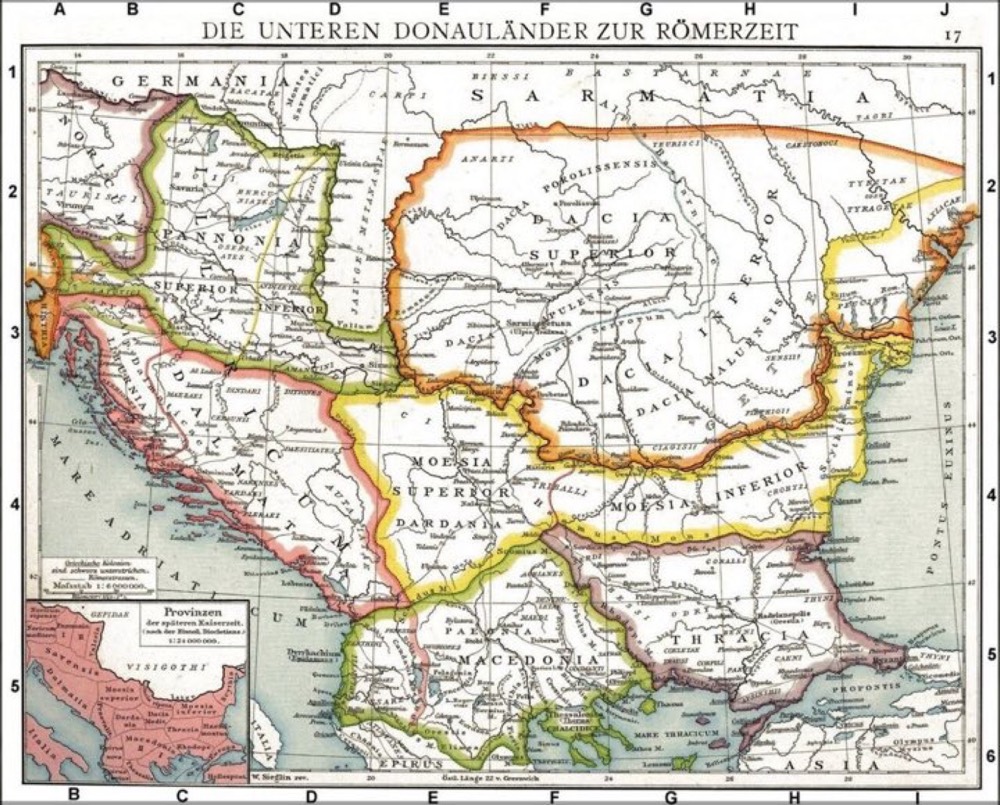
- Who the Illyrians were, and the long argument about what they became.
 IOrigins
 - A language with no close relatives anywhere on earth.
 IIThe Language
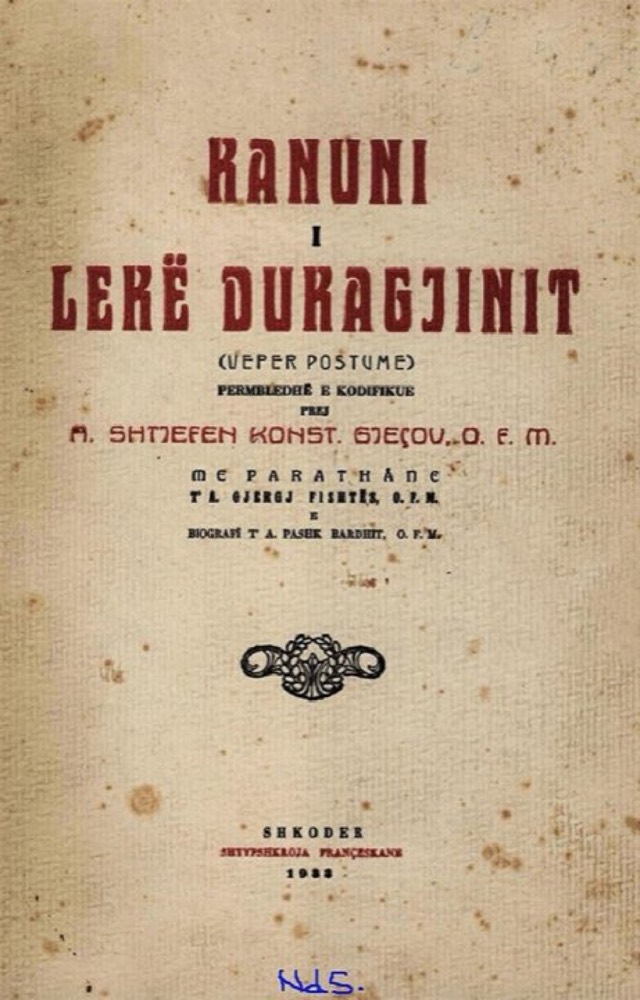
 - Besa, the Kanun, and the sworn virgins of the north.
 IIIThe Code
 - Iso-polyphony, the lahutë, and epics sung for a thousand lines.
 IVThe Voice
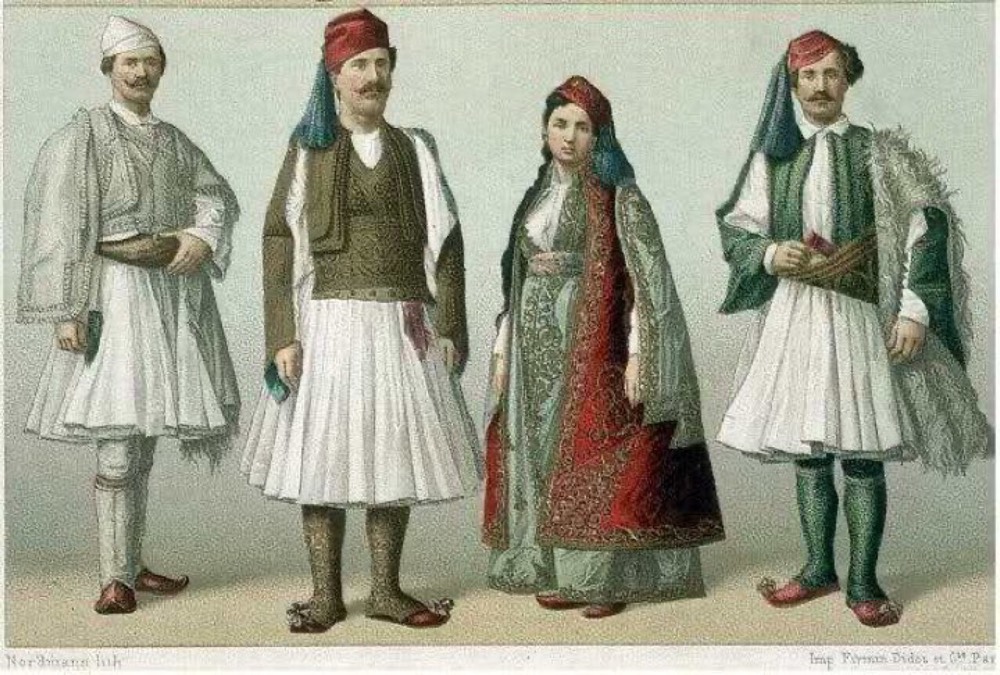
 - The xhubleta, the qeleshe, and 200-odd regional costumes.
 VThe Cloth
 - Four religions, one banned decade, and the world capital of Bektashism.
 VIFaith
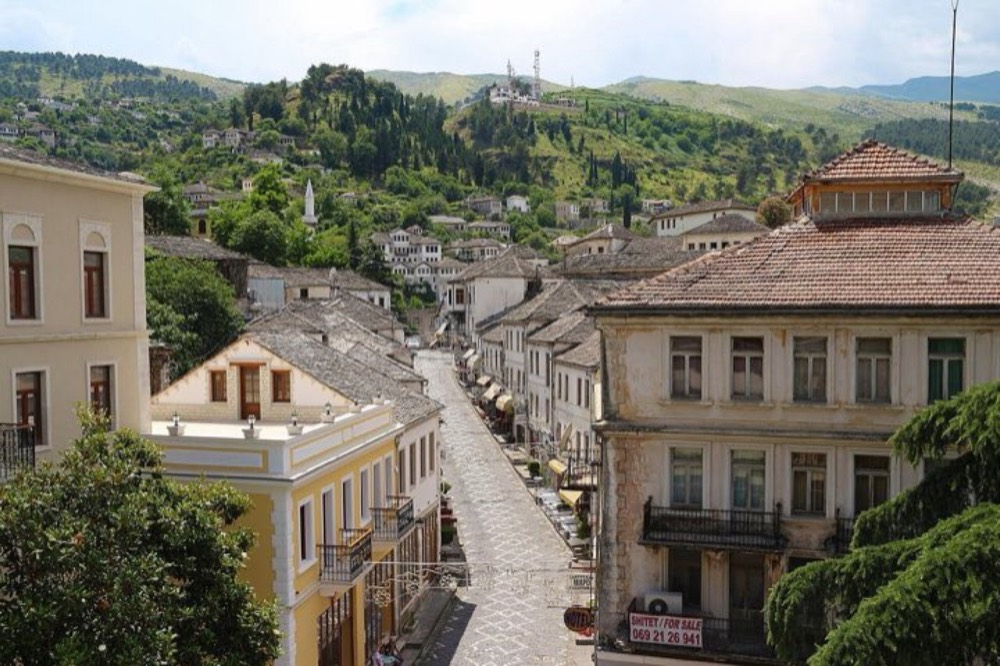
 - Butrint, Berat, Gjirokastër, and the towers of the north.
 VIIStone
 - Forty-one years of isolation, poured in concrete.
 VIIIThe Bunker
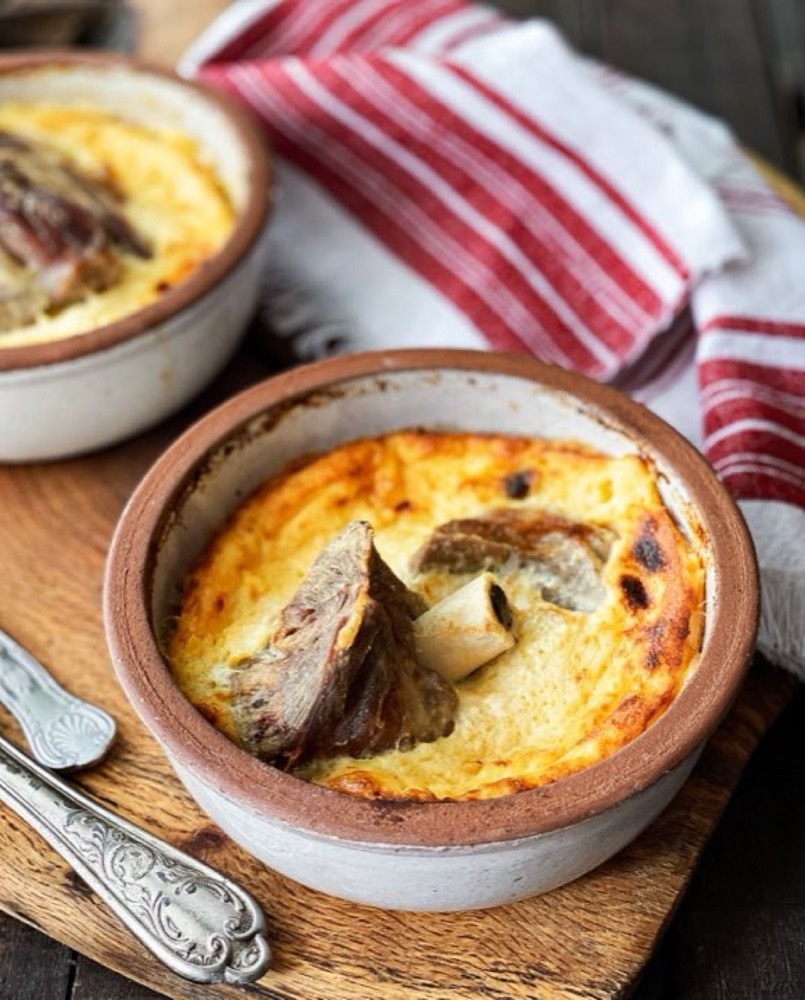
 - Byrek, tavë kosi, raki, and one of Europe's oldest wine traditions.
 IXThe Table
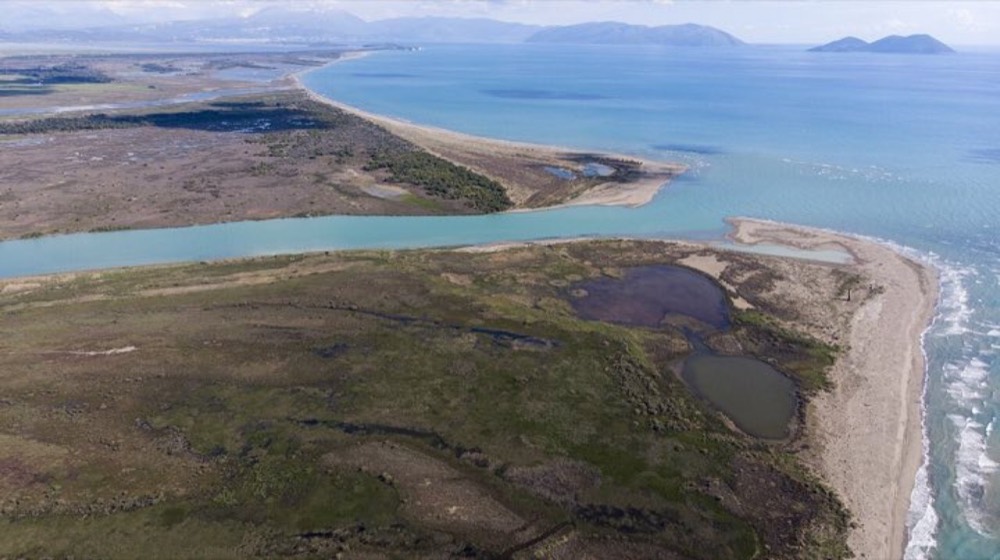
 - The Accursed Mountains, and the last wild river in Europe.
 XLand & Water
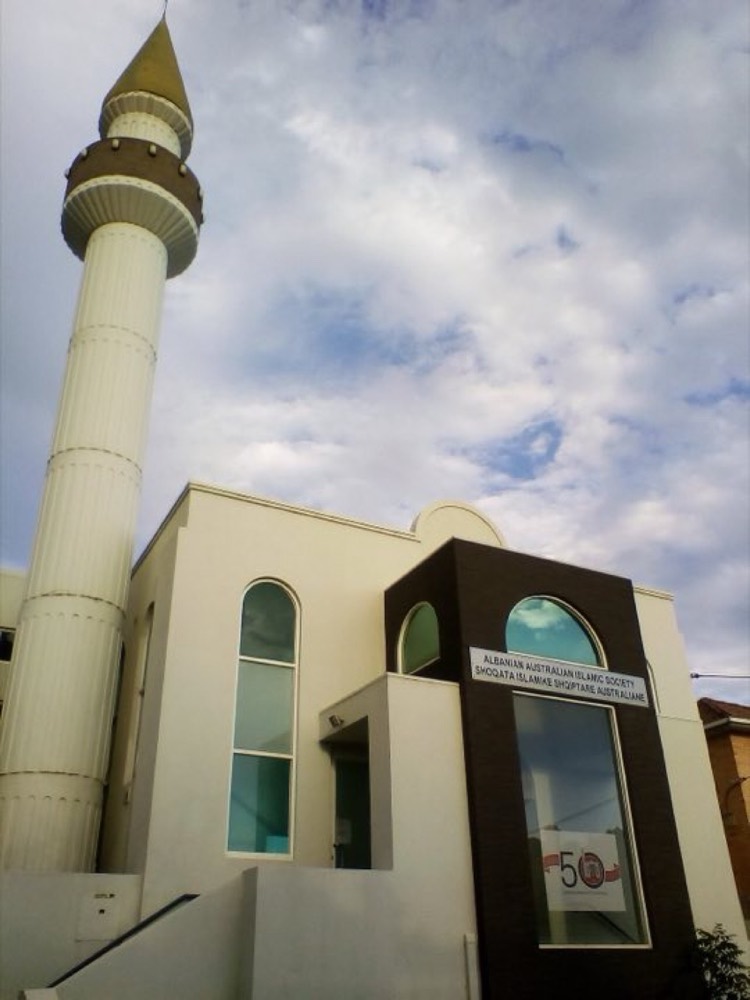
 - Arbëresh, Arvanites, Kosovo, and everyone who left after 1991.
 XIThe Diaspora
Where this comes from
Every figure on this page is checked against a named source. If you find something wrong, write to us and we will fix it.
- 01UNESCO World Heritage Centre, Albania
- 02UNESCO Intangible Cultural Heritage, Albania
- 03UNESCO, Albanian folk iso-polyphony (Representative List, 2008)
- 04ATA, Sounds of Albania in the soundtrack of Nolan's The Odyssey (2026)
- 05The Odyssey (soundtrack), album credits
- 06Gjirokastër National Folk Festival
- 07UNESCO Memory of the World, Codex Purpureus Beratinus
- 08The Indo-European Language Family, Cambridge University Press
- 09Linguistics Research Center, University of Texas at Austin
- 10Encyclopaedia Britannica, Illyria
- 11Encyclopaedia Britannica, Teuta
- 12Encyclopaedia Britannica, Geg language
- 13IUCN, Vjosa Wild River National Park
- 14UNESCO, Natural and Cultural Heritage of the Ohrid region
- 15Albanian bunkers: modern fortifications built in socialism (research paper, 2014)
- 16INSTAT, Census of Population and Housing 2023
- 17Congress of Manastir, 1908
- 18US Department of State, 2023 Report on International Religious Freedom: Albania
Research by ARBËR, the Living Museum of Albania. Published facts are verified or presented as open debate.
Read it here. Then go and stand in it.
Sixteen of these places are a drive from Tirana, with a local driver who knows the story and waits while you look.