Albanian is the only surviving representative of the Albanic branch of Indo-European, within the Paleo-Balkan group. It is an isolate: no other language has been conclusively linked to its branch. Roughly 7.5 million native speakers worldwide.
Two dialect groups split along the Shkumbin river: Gheg in the north, Tosk in the south, the same line the Latin/Greek seam followed. Standard Albanian, codified in 1972, is built mainly on Tosk.
Milestones
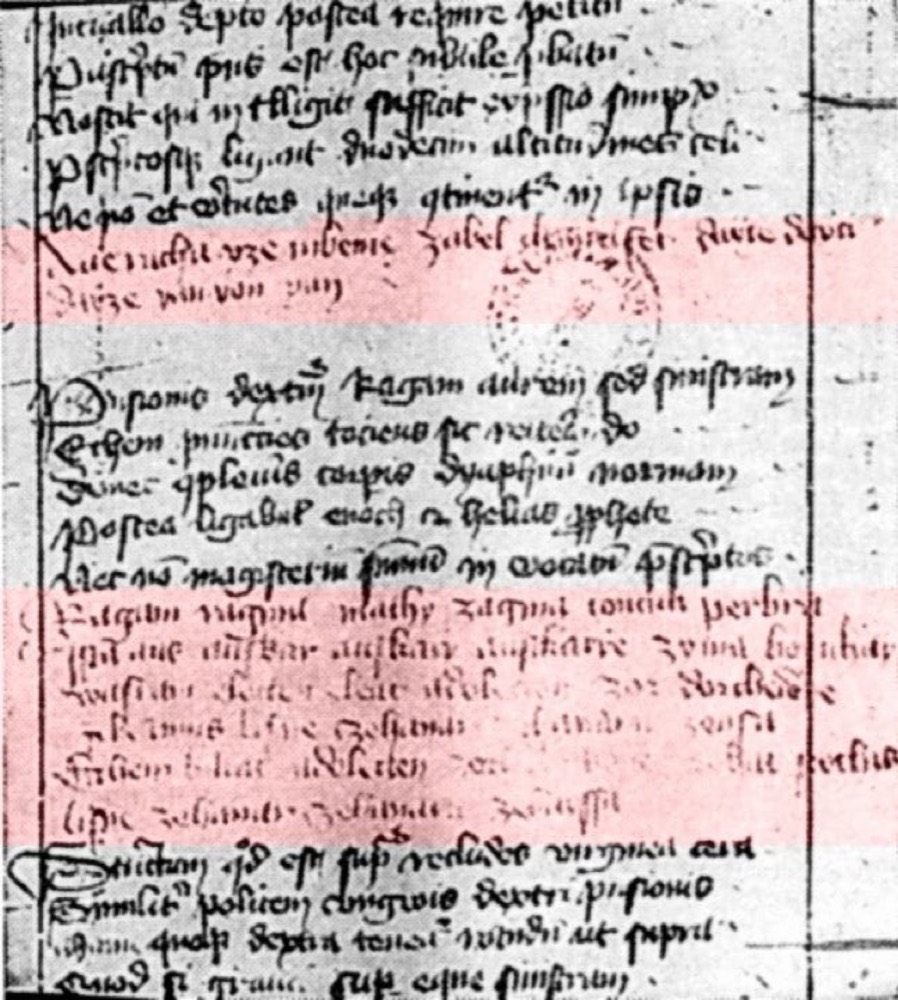
- 1462, Formula e Pagëzimit, the oldest recorded Albanian sentence, written by Pal Engjëlli, Archbishop of Durrës.
- 1555, Meshari by Gjon Buzuku, the first printed book in Albanian. 188 pages, two columns; exactly one copy survives, in the Vatican Library.
- 1908, the Congress of Manastir (14-22 November) ends a fight between six or more competing alphabets. It could not settle on one, adopting two by compromise, Istanbul and Bashkimi. Bashkimi is the ancestor of today's alphabet. 22 November is now Alphabet Day.
- 1972, Congress of Orthography standardises the modern literary language.
The alphabet fight matters more than it sounds. A single script meant a single nation, which is exactly why it took thirty years.
Research by ARBËR, the Living Museum of Albania. Published facts are verified or presented as open debate.