Illyrie
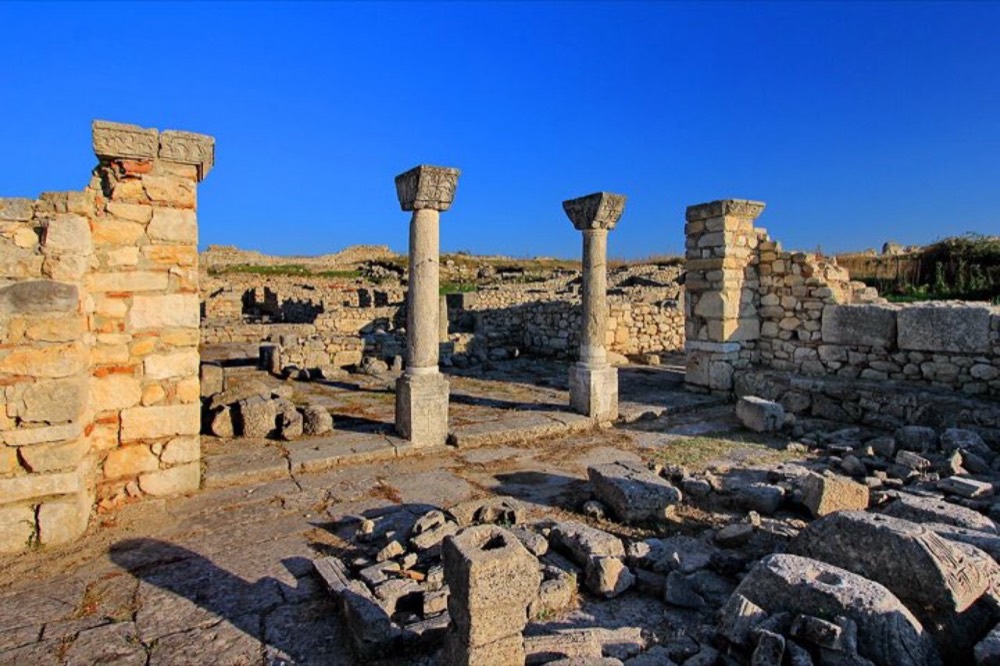
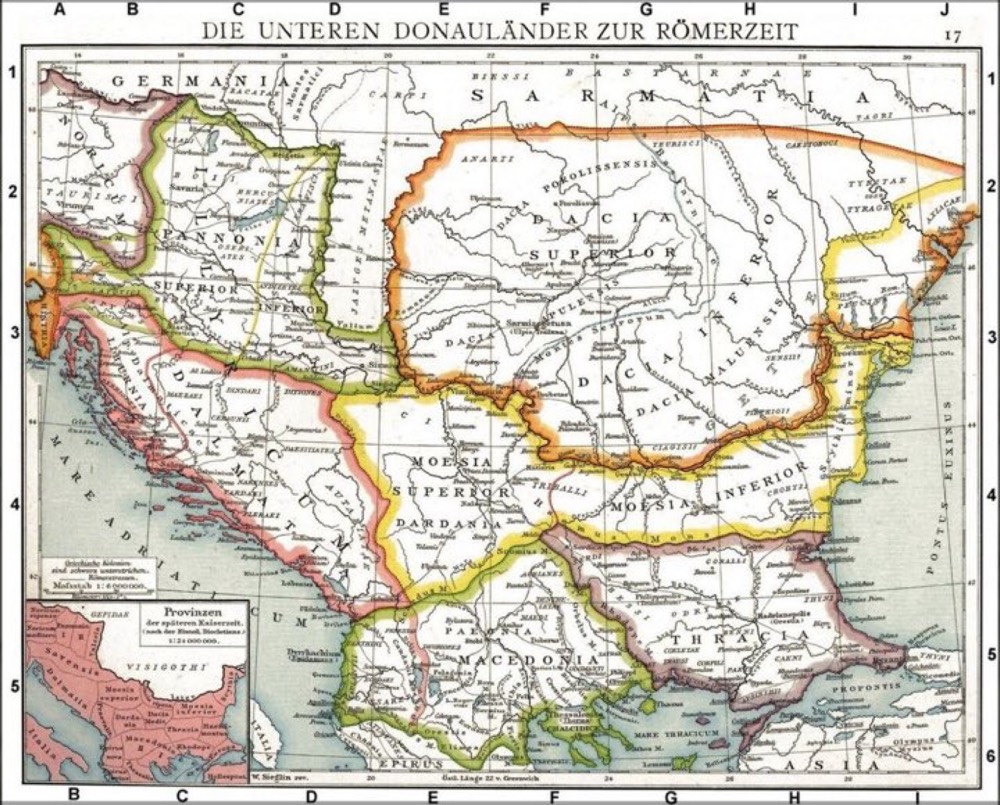
Des tribus de l'Âge du bronze s'installent dans l'ouest des Balkans. Rome et la Grèce les appellent Illyriens.
Des tribus de l'Âge du bronze s'installent dans l'ouest des Balkans. Rome et la Grèce les appellent Illyriens.
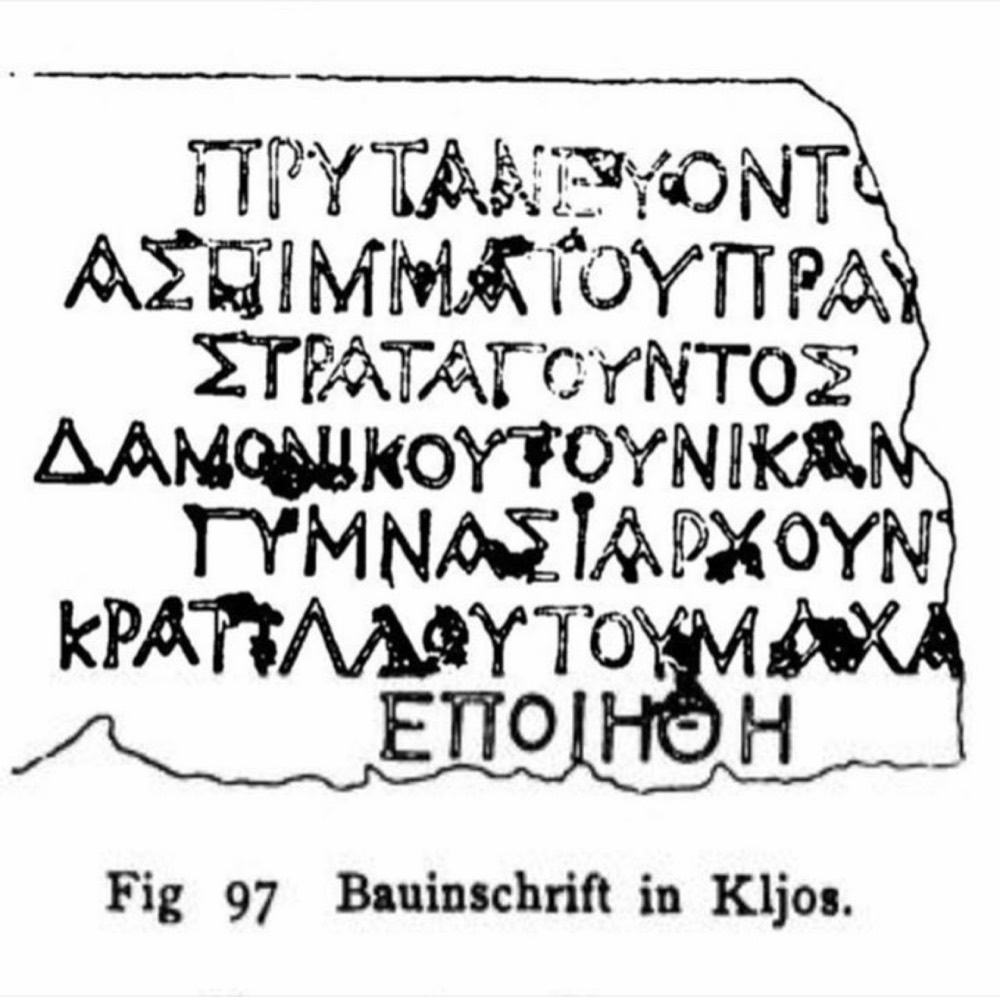
Les royaumes illyriens se consolident, dominent l'Adriatique et entrent en collision avec Rome.
Le dernier roi, Gentius, est vaincu à Scodra, l'actuelle Shkodër, en 168 av. J.-C. et promené dans Rome lors d'un triomphe.
En savoir plus sur Les royaumes illyriens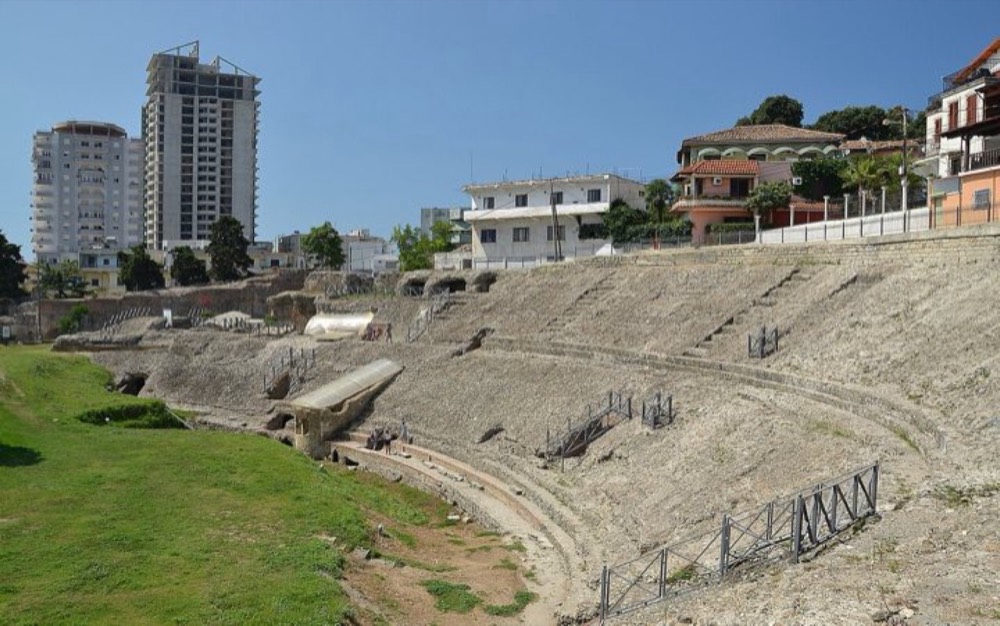
La Via Egnatia fait de cette côte la charnière entre Rome et l'Orient.
Plusieurs empereurs romains sont originaires des provinces illyriennes ; la région a fourni des soldats à l'empire, puis des souverains.
En savoir plus sur Rome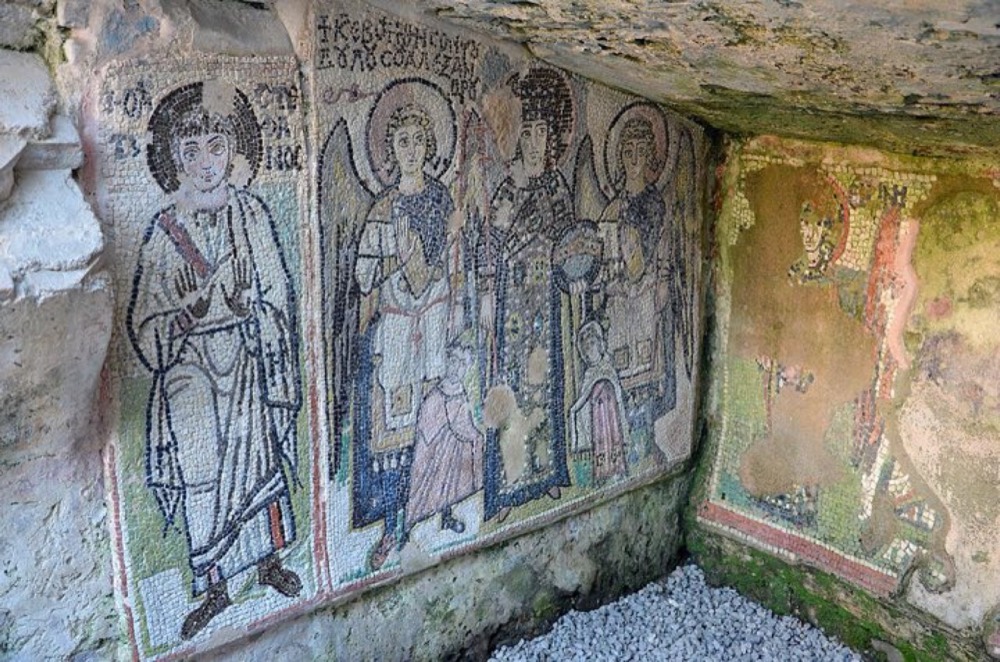
L'empire se partage et cette terre se trouve sur la couture, latin à l'ouest, grec à l'est.
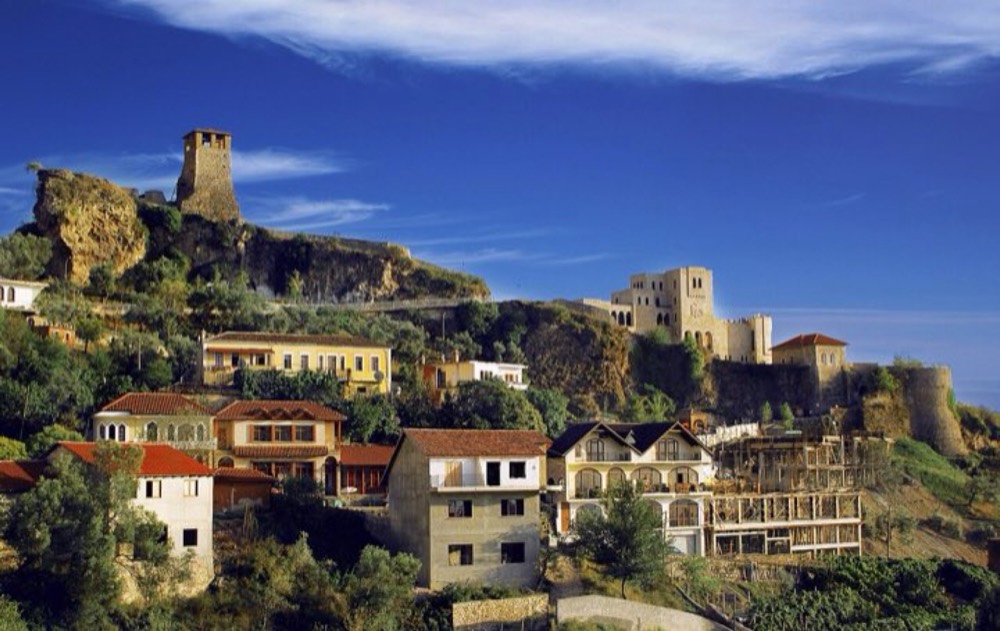
Le premier État albanais, et les grandes familles nobles qui lui succèdent.
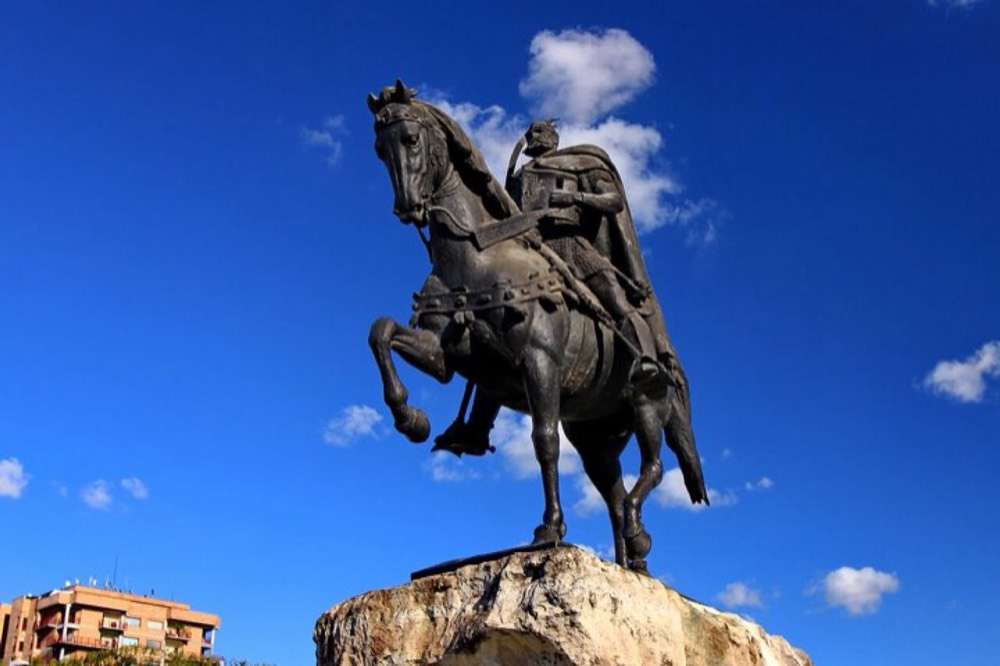
Vingt-cinq ans à tenir tête au plus grand empire du monde.
Rome le nomme Athleta Christi, athlète du Christ, et envoie de l'argent.
En savoir plus sur SkanderbegLa première grande vague de migration vers l'Italie, celle des ancêtres des Arbëresh, commence ici.
En savoir plus sur Skanderbegenv. 1200 à 400 av. J.-C.IllyrieLes Illyriens400 à 168 av. J.-C.Les royaumes illyriensRoyaumes illyriens168 av. J.-C. à 395 apr. J.-C.RomeRome395 à 1190ByzanceByzantins1190 à 1443ArbanonArbanoni1443 à 1479SkanderbegSkanderbeg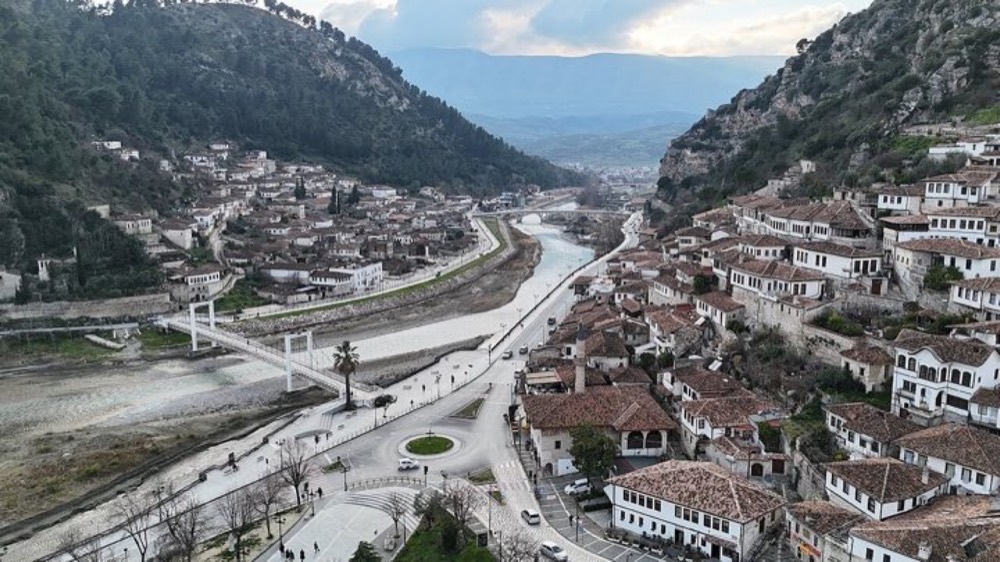 1479 à 1878Les siècles ottomansEmpire ottoman
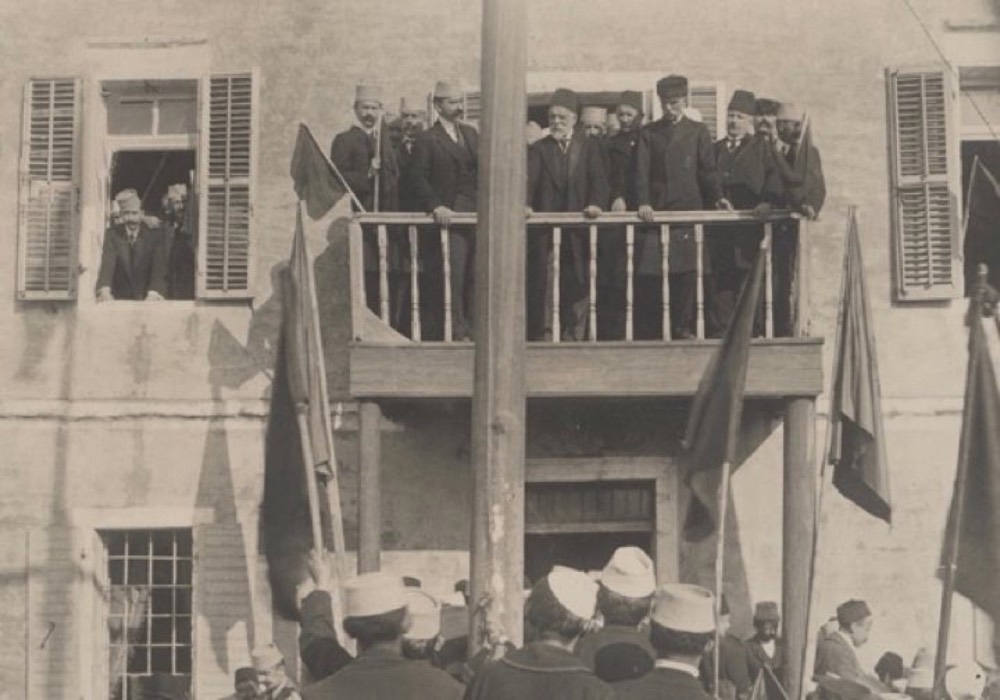 1878 à 1912RilindjaRilindja Kombëtare
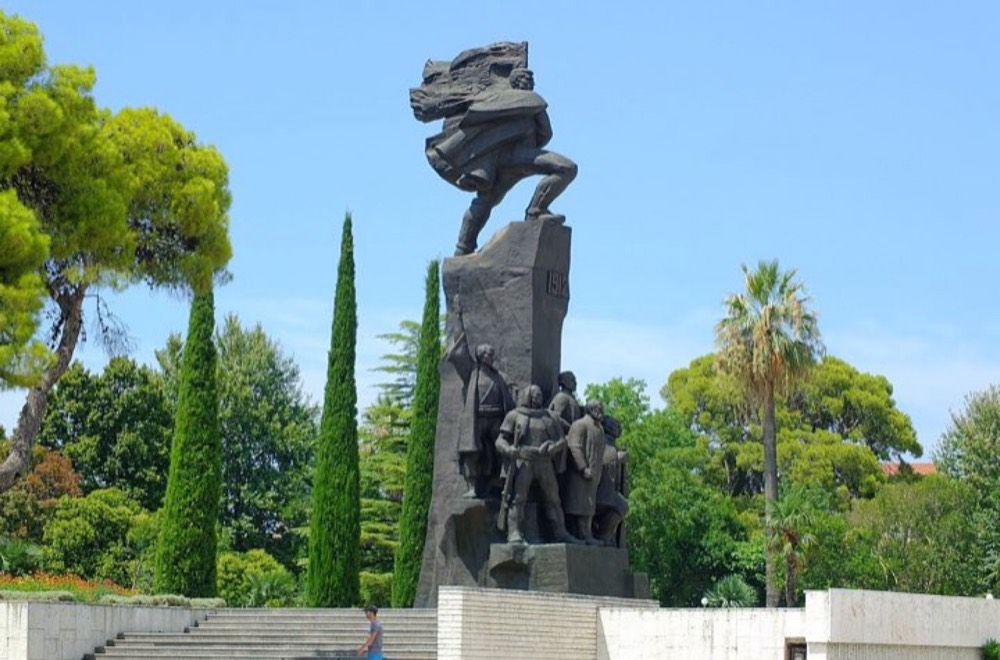 1912 à 1944Le jeune ÉtatShteti i Ri
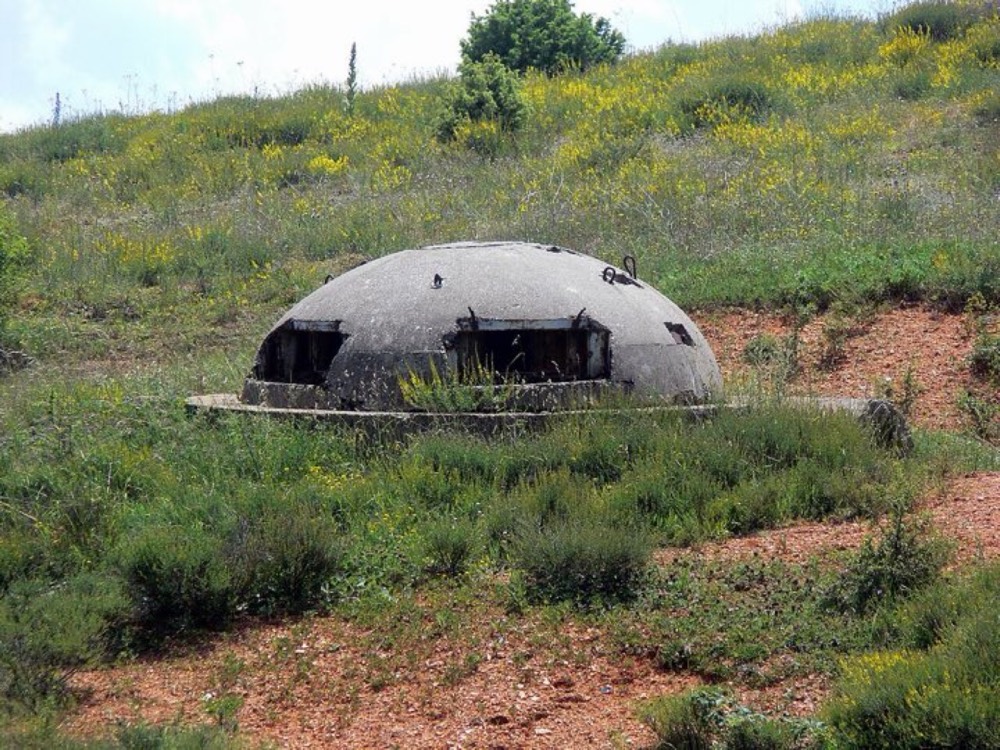 1944 à 1991Le pays ferméLes années d'isolement
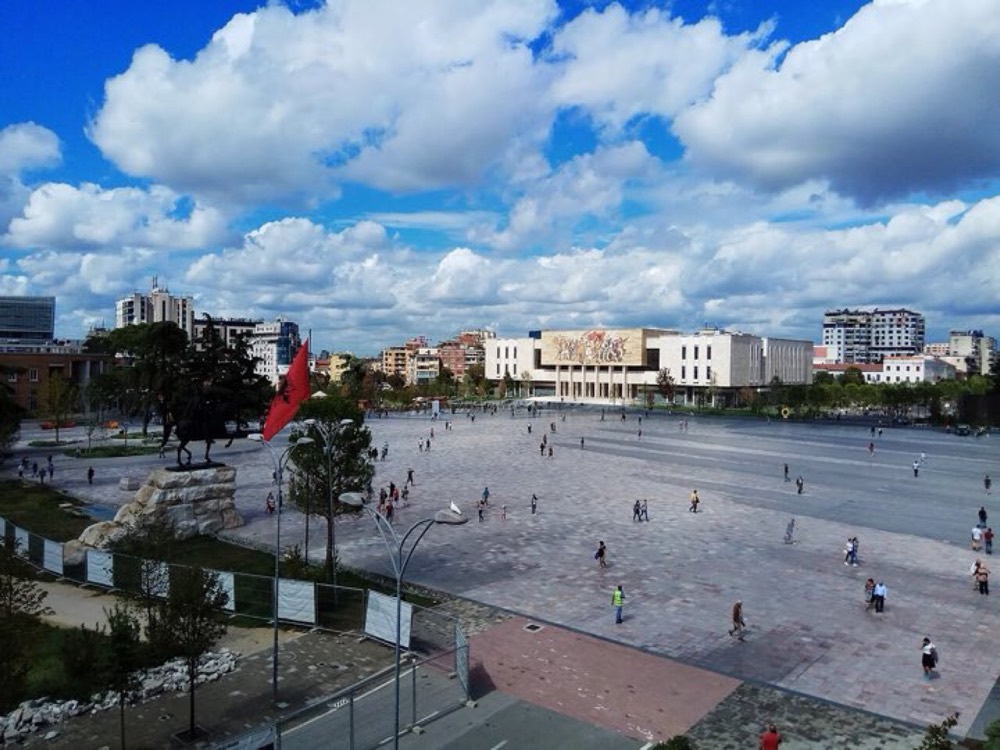 1991 à aujourd'huiL'ouvertureL’ouverture
 IOriginesOrigines
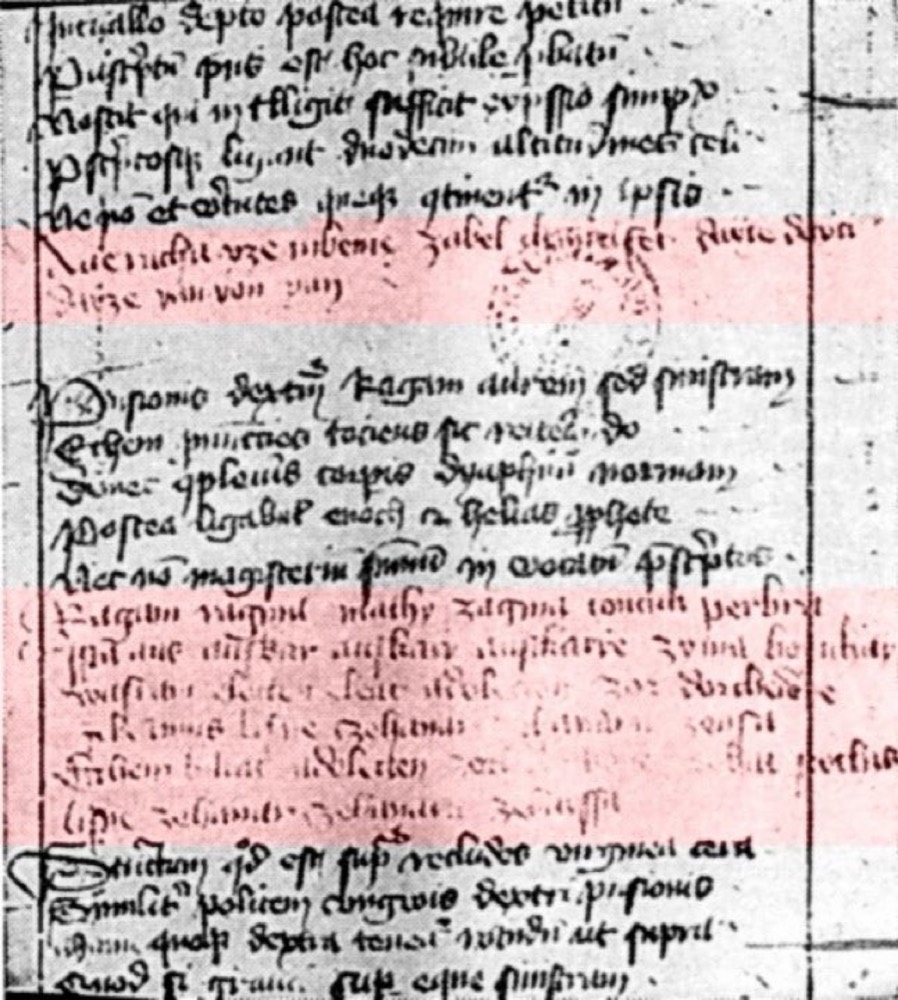 IILa langueFjala
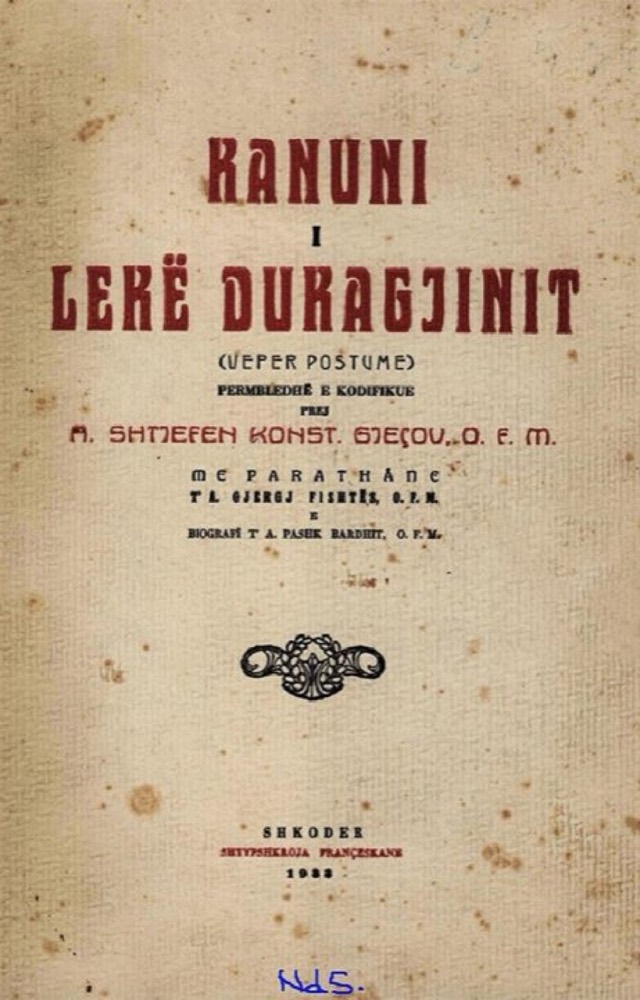 IIILe CodeKanuni
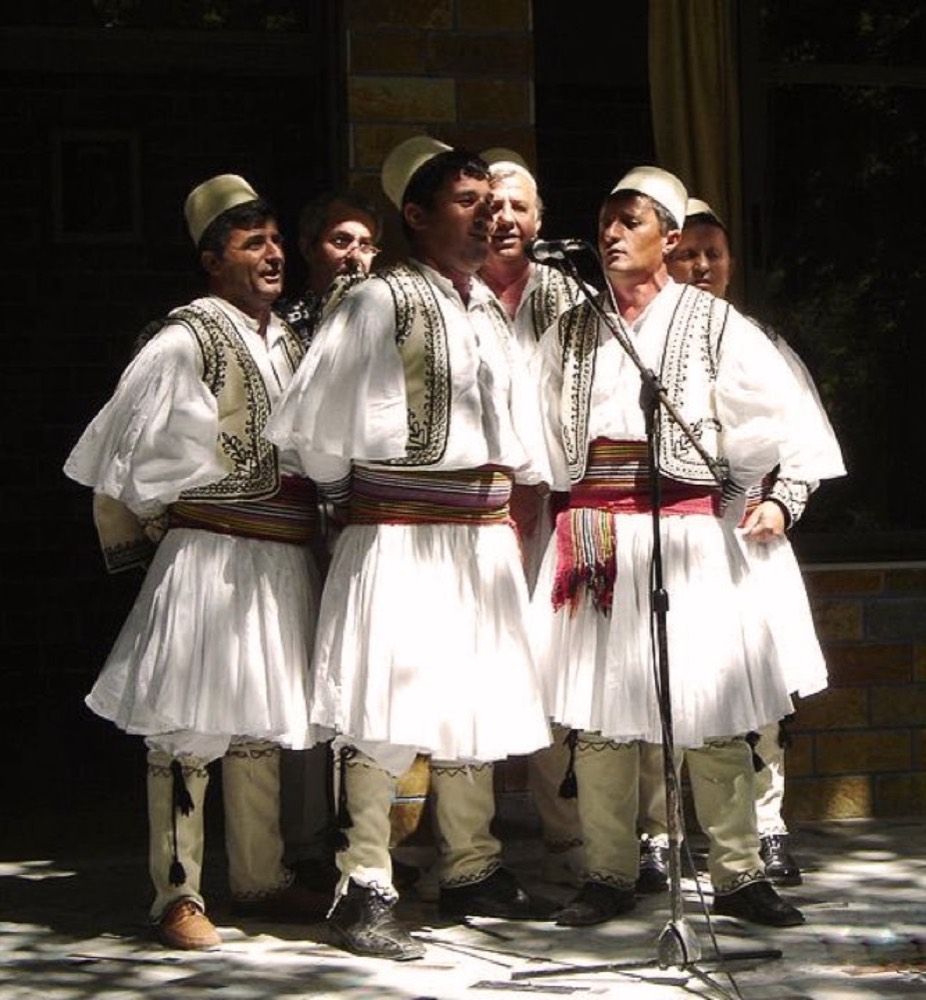 IVLa VoixZëri
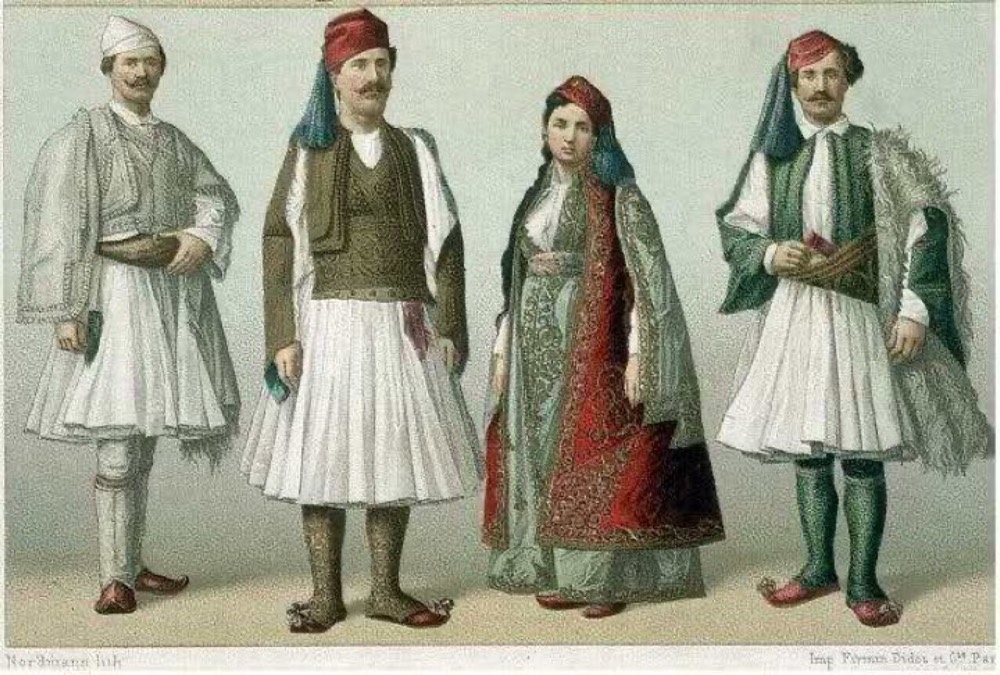 VLe TissuPetku
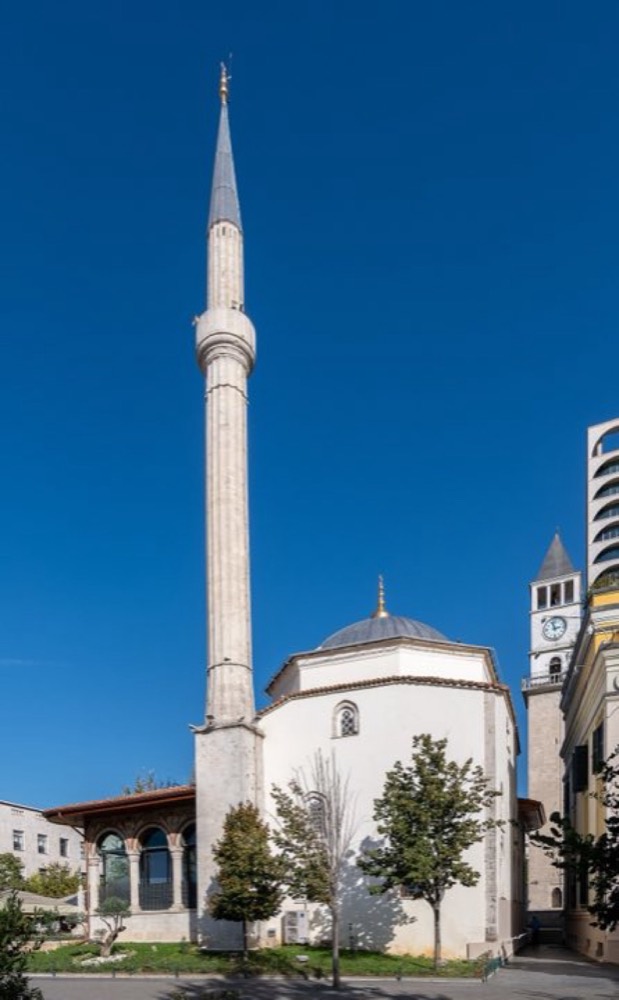 VIFoiBesimi
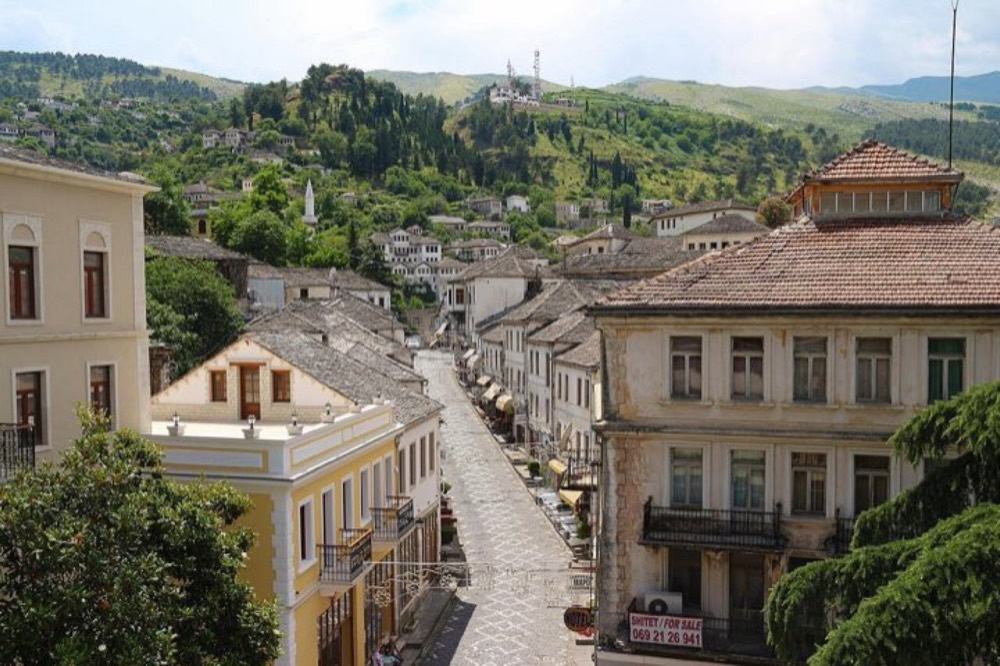 VIIPierreGuri
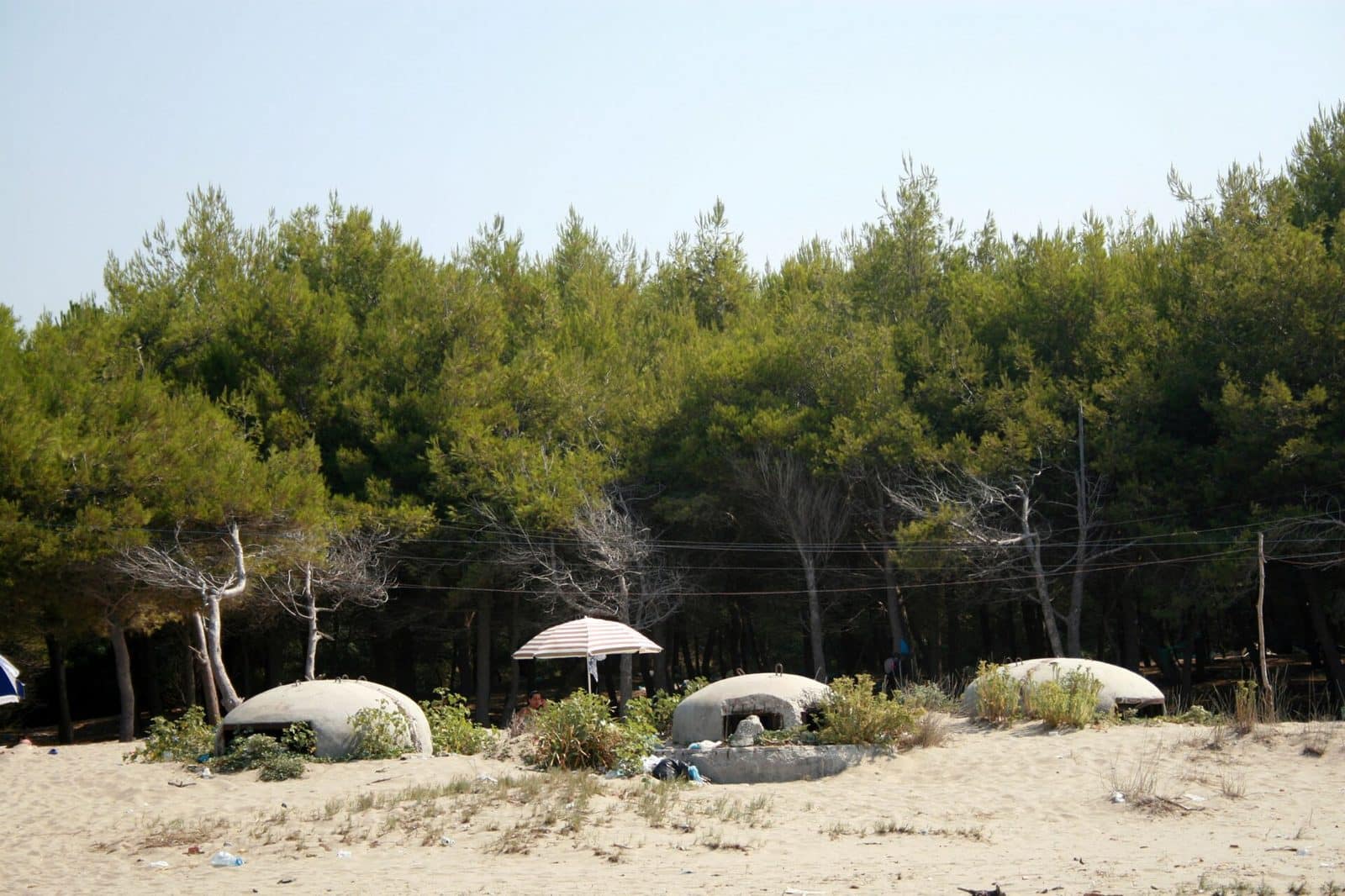 VIIILe bunkerBunkeri
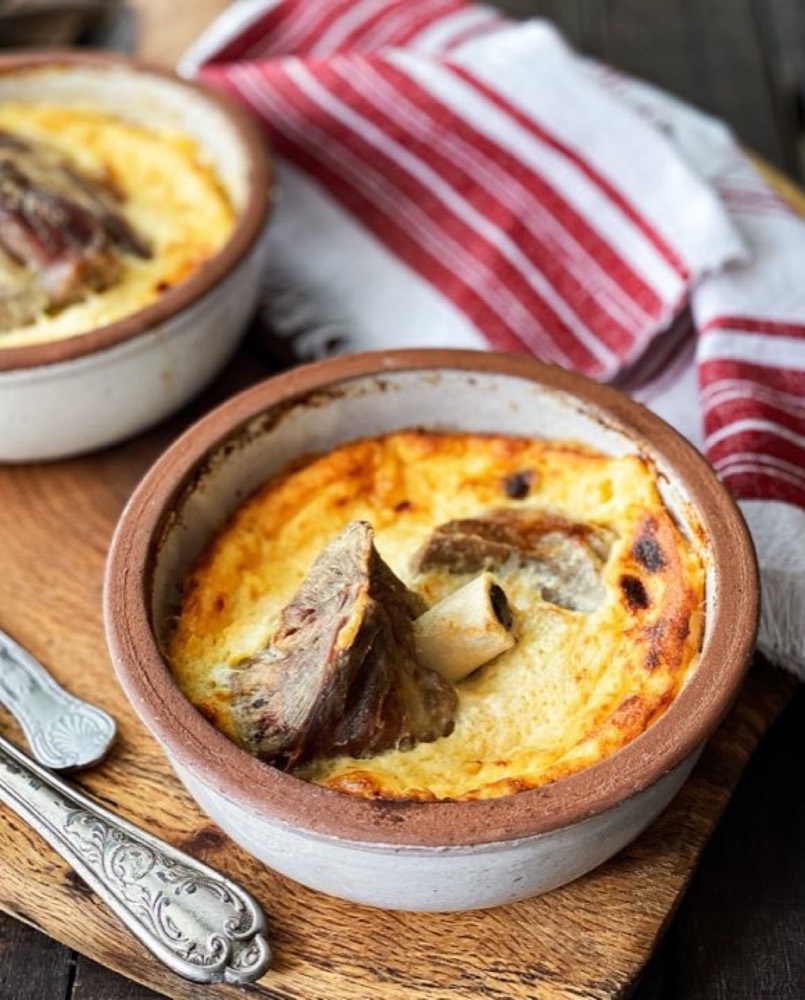 IXLa TableSofra
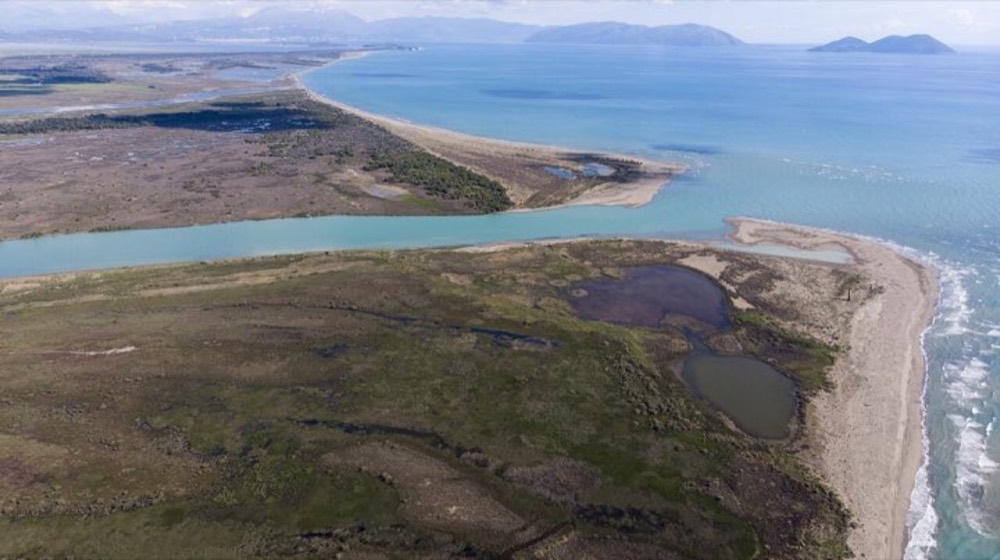 XTerre et eauToka
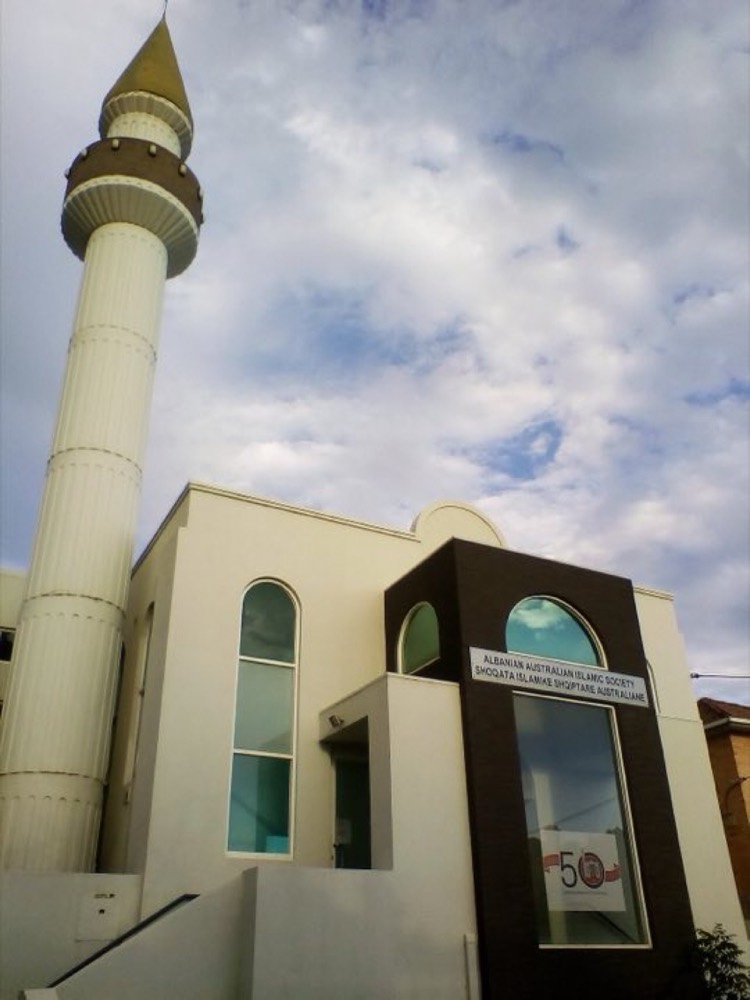 XILa DiasporaBota
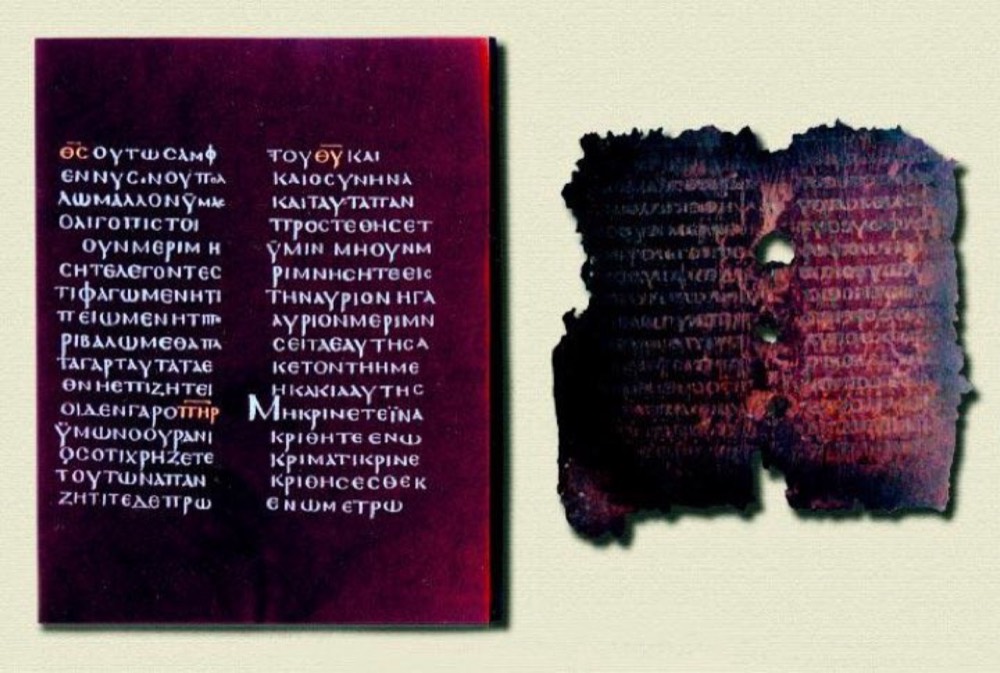 Codex Purpureus Beratinus
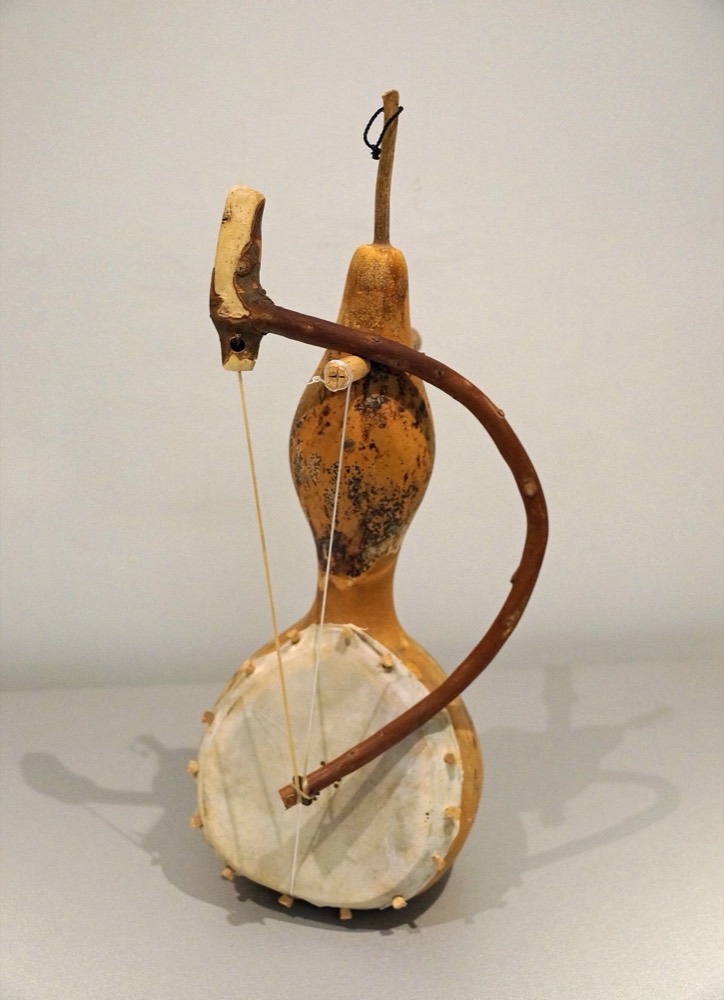 Lahutë
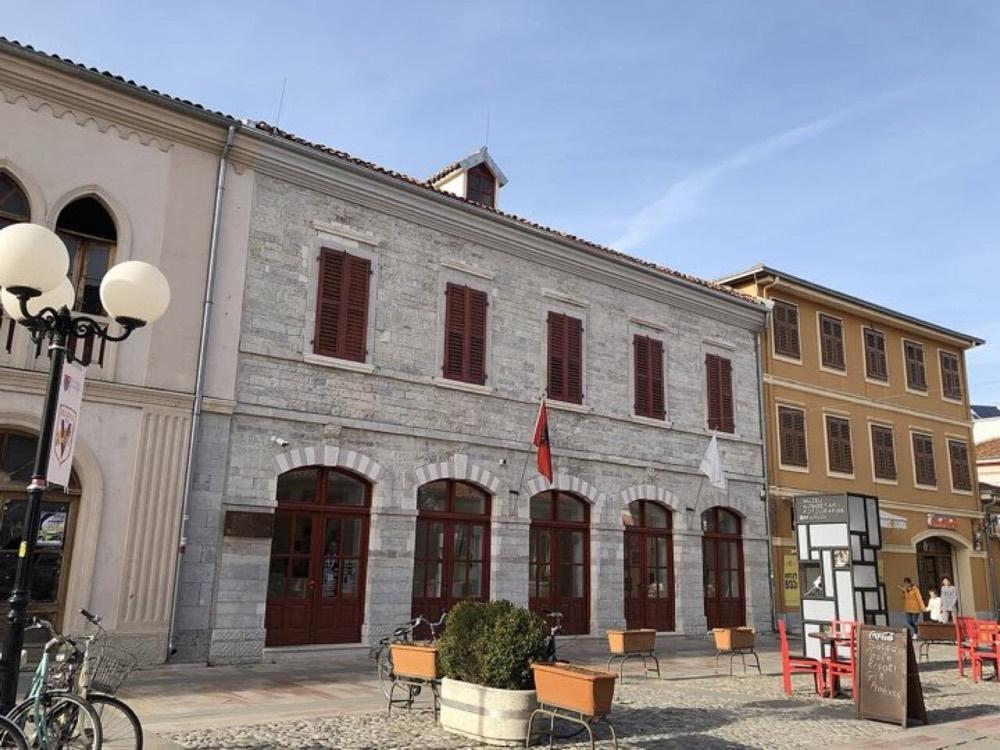 Négatif sur verre Marubi
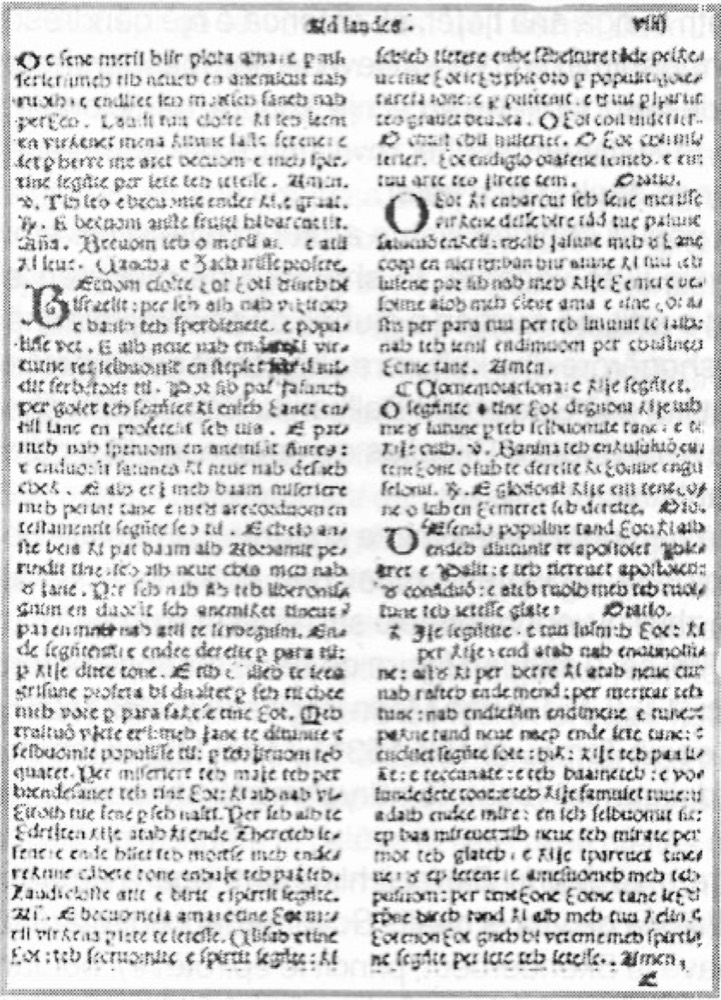 Meshari
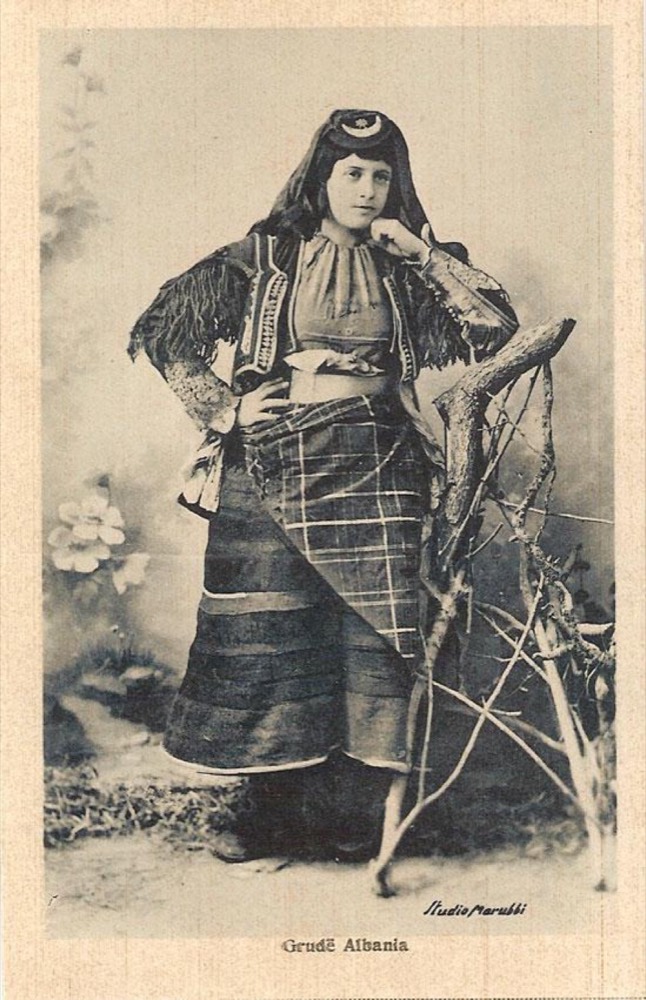 Xhubleta
Përshëndetje
dites « pur-shun-DET-yeh »
Bonjour
Faleminderit
dites « fah-leh-meen-DEH-reet »
Merci
Ju lutem
dites « yoo LOO-tem »
S'il vous plaît
Sa kushton?
dites « sah koosh-TOHN »
C'est combien ?
Gëzuar!
dites « guh-ZOO-ar »
Santé !
Shumë bukur
dites « SHOO-muh BOO-koor »
Très beau
Ujë
dites « OO-yuh »
Eau
Mirupafshim
dites « meer-oo-PAHF-sheem »
Au revoir
Yes. In a country smaller than Belgium you can walk a Greek and Roman city at Butrint, sleep in the Ottoman stone towns of Berat and Gjirokastër, climb Skanderbeg's castle at Krujë and hear a singing tradition UNESCO lists as heritage of humanity. Most of it is a few hours' drive from Tirana.
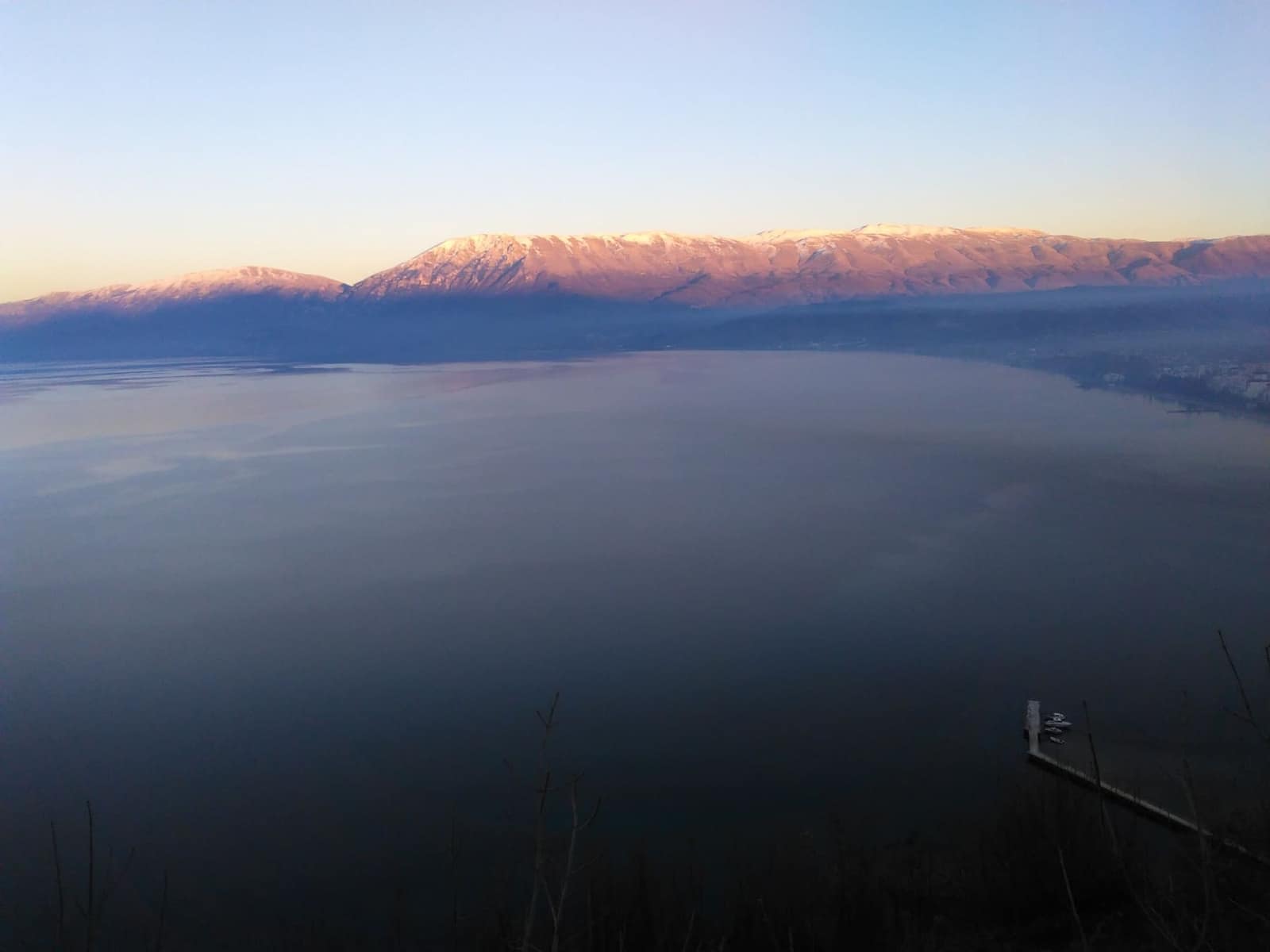
Albania has 4 World Heritage Sites: Butrint (1992), Historic centres of Berat and Gjirokastër (2005), Ohrid region, natural and cultural (2019), Ancient beech forests (2017). It also has 5 traditions on UNESCO's intangible heritage lists, including Albanian folk iso-polyphony and Xhubleta.
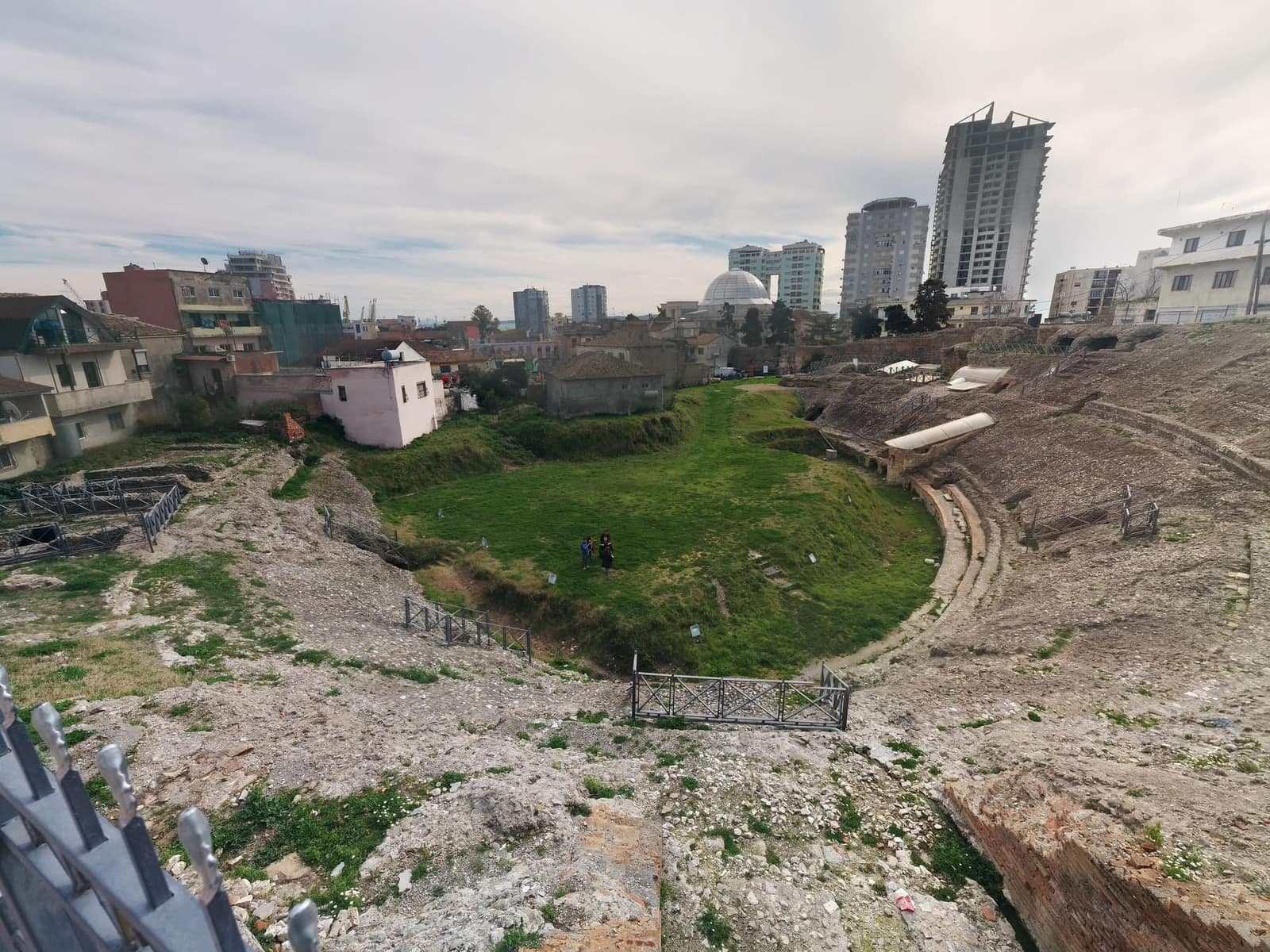
Krujë (Skanderbeg's castle and the old bazaar) and Durrës (a Roman amphitheatre) are both under an hour away. Berat, Apollonia and Shkodër with Rozafa castle are comfortable day trips. Gjirokastër, Butrint and Korçë are best with a night on the way.
Not your own. Buses reach the main towns but rarely the castles, ruins and viewpoints themselves, and mountain roads are hard work in a rental. A private driver takes you door to door and waits at every stop. Tour Alb runs ready-made trips from Tirana and a trip builder for your own route.
April to June and September to October: warm, green and quieter than the coast in August. Highland places such as Theth are best from late May to October, when the mountain road is open.
Albania is generally regarded as a safe, welcoming country for visitors, and hospitality (besa, keeping your word to a guest) is part of the culture. The main practical risk is the roads: steep, narrow and often unsigned in the mountains, which is why many visitors choose a local driver.
Recherche par ARBËR, le musée vivant de l'Albanie. Les faits publiés sont vérifiés ou présentés comme un débat ouvert.