Illiria
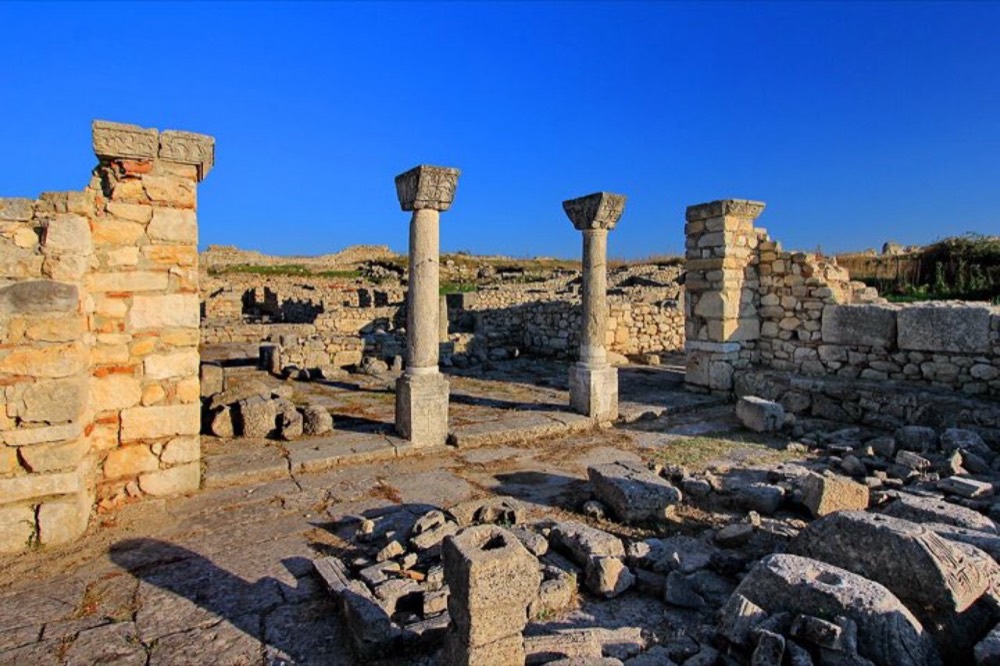
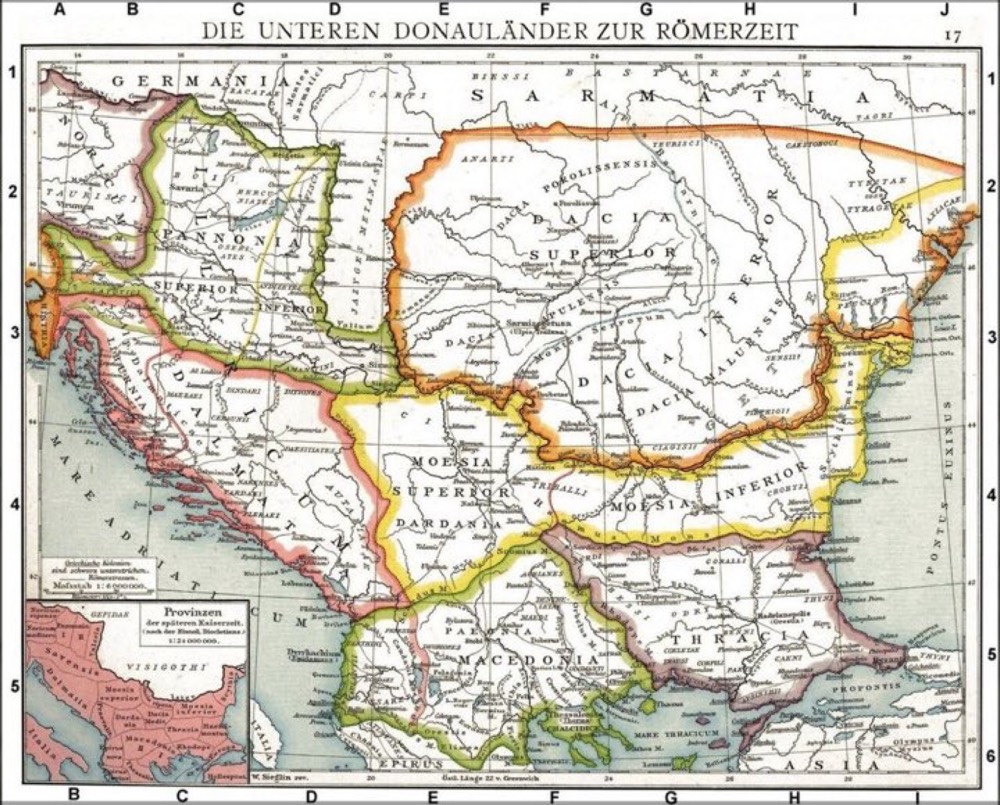
Tribù dell'Età del Bronzo si stabiliscono nei Balcani occidentali. Roma e la Grecia li chiamano Illiri.
Tribù dell'Età del Bronzo si stabiliscono nei Balcani occidentali. Roma e la Grecia li chiamano Illiri.
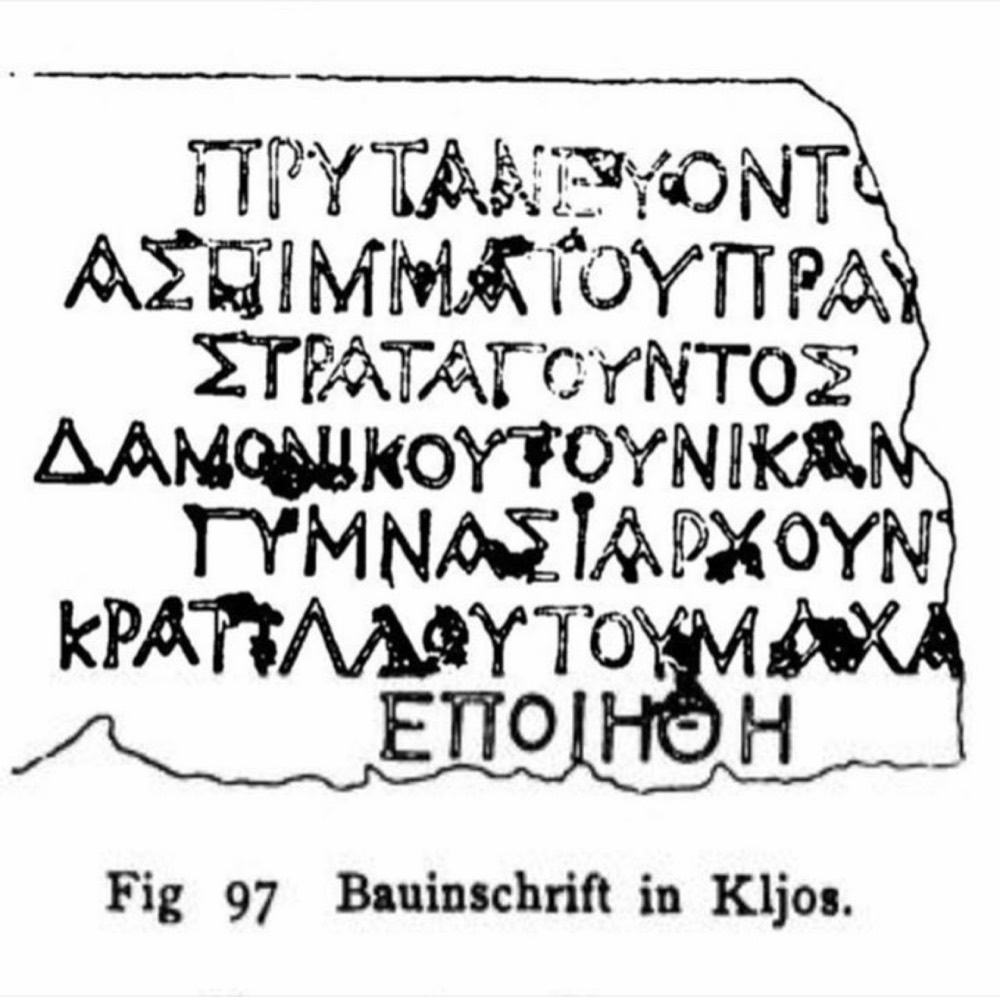
I regni illirici si consolidano, dominano l'Adriatico e entrano in collisione con Roma.
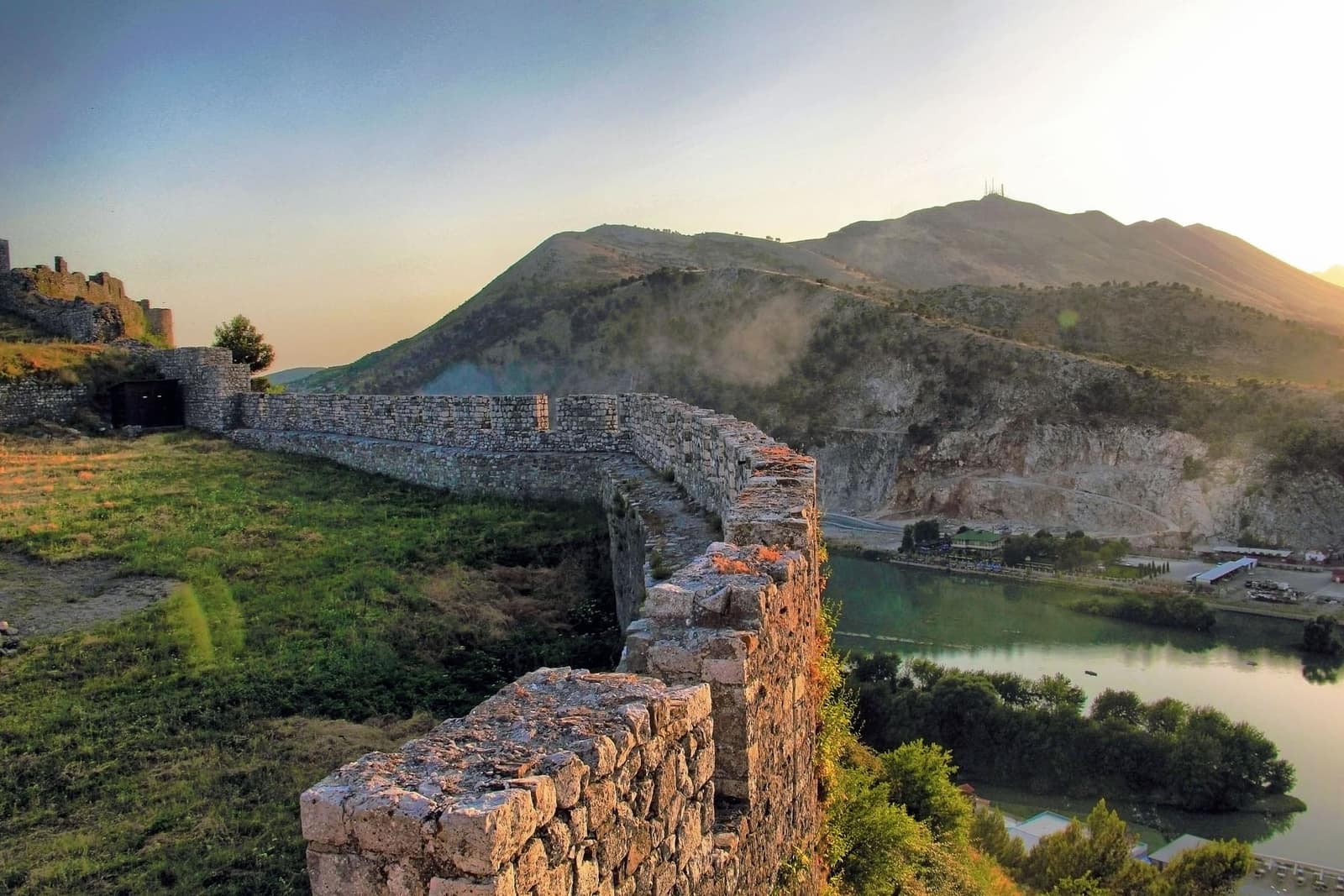
L'ultimo re, Gentius, viene sconfitto a Scodra, l'odierna Shkodër, nel 168 a.C. e condotto in trionfo per le strade di Roma.
Altro su I regni illirici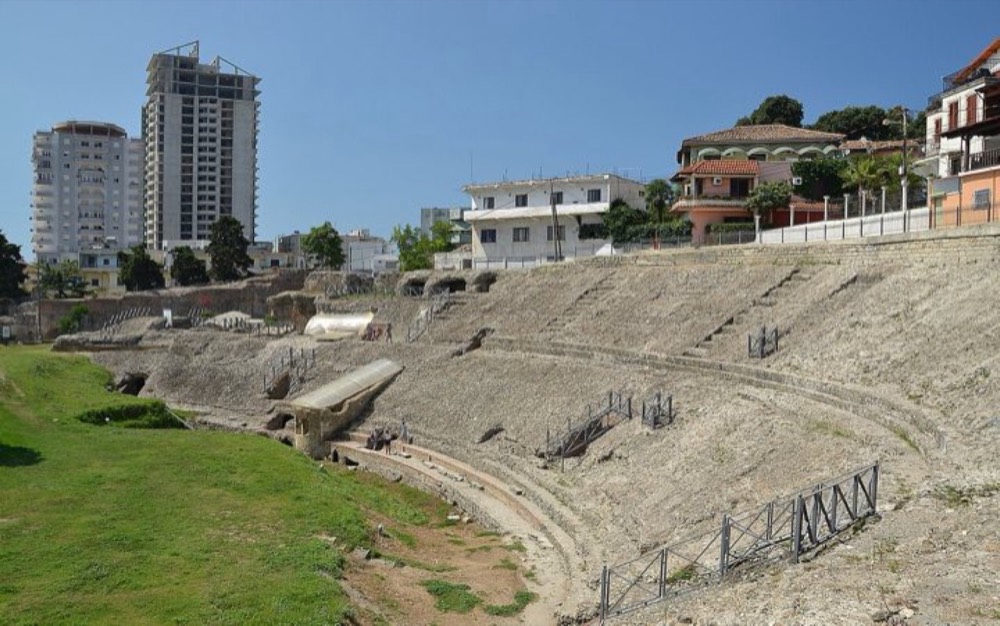
La Via Egnatia trasforma questa costa in cerniera tra Roma e Oriente.
Diversi imperatori romani vennero dalle province illiriche, la regione fornì soldati all'impero e, con il tempo, anche sovrani.
Altro su Roma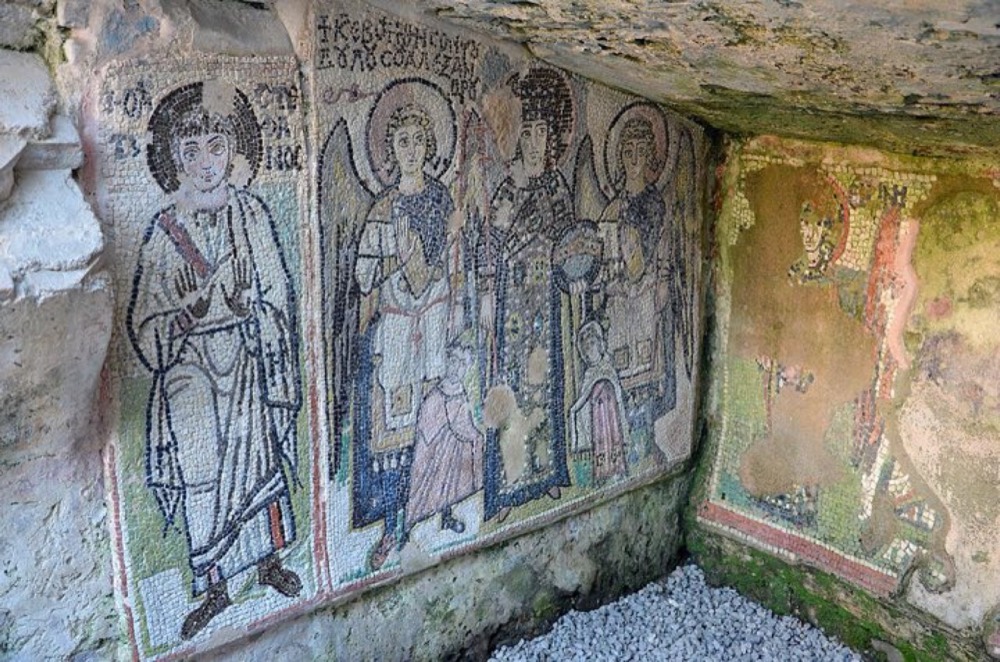
L'impero si divide e questa terra resta sulla cucitura, latino a ovest, greco a est.
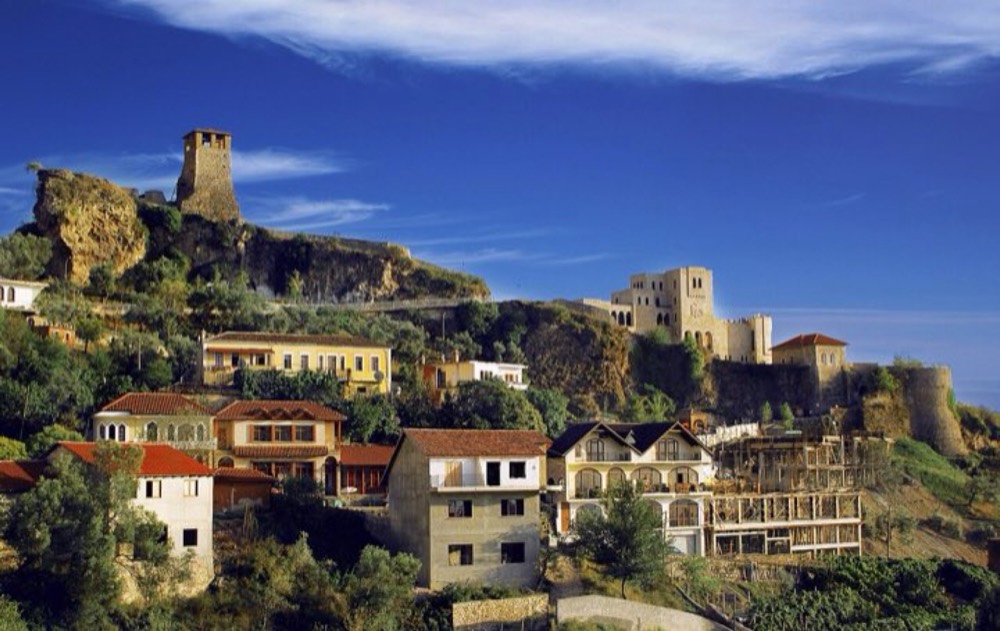
Il primo stato albanese e le casate nobili che lo seguono.
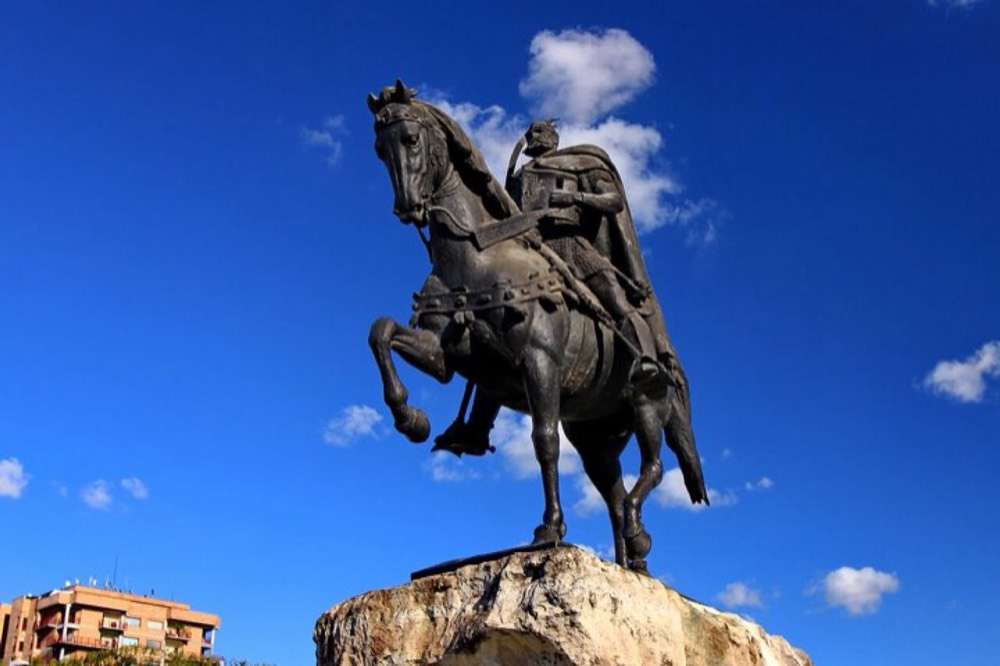
Venticinque anni a tenere a bada il più grande impero del mondo.
Roma lo nominò Athleta Christi, atleta di Cristo, e inviò denaro.
Altro su SkanderbegLa prima grande ondata di migrazione verso l'Italia inizia qui, gli antenati degli Arbëresh.
Altro su Skanderbegca. 1200–400 a.C.IlliriaGli Illiri400–168 a.C.I regni illiriciI regni illirici168 a.C.–395 d.C.RomaRoma395–1190BisanzioBizantini1190-1443ArbanonArbanoni1443-1479SkanderbegSkanderbeg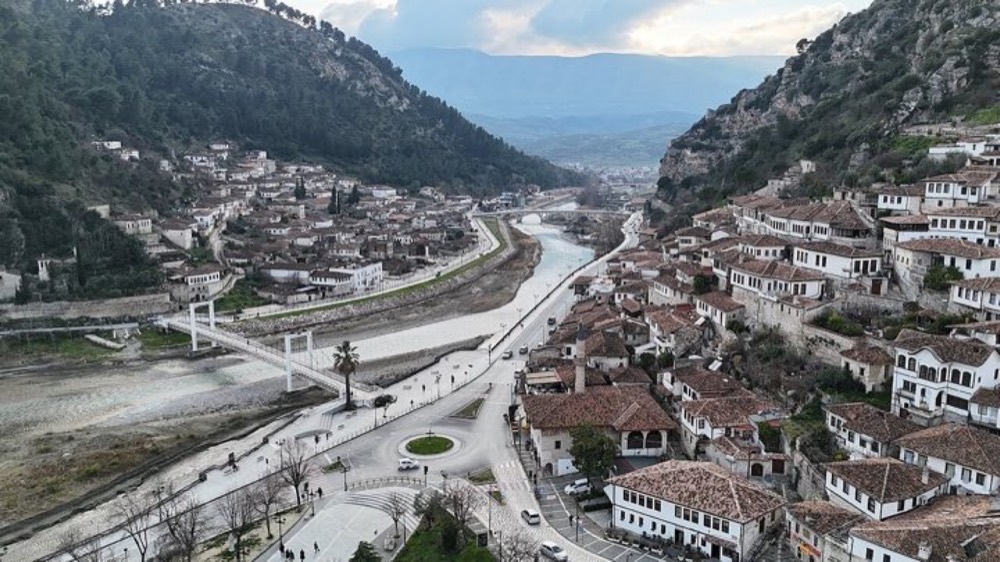 1479-1878I secoli ottomaniImpero ottomano
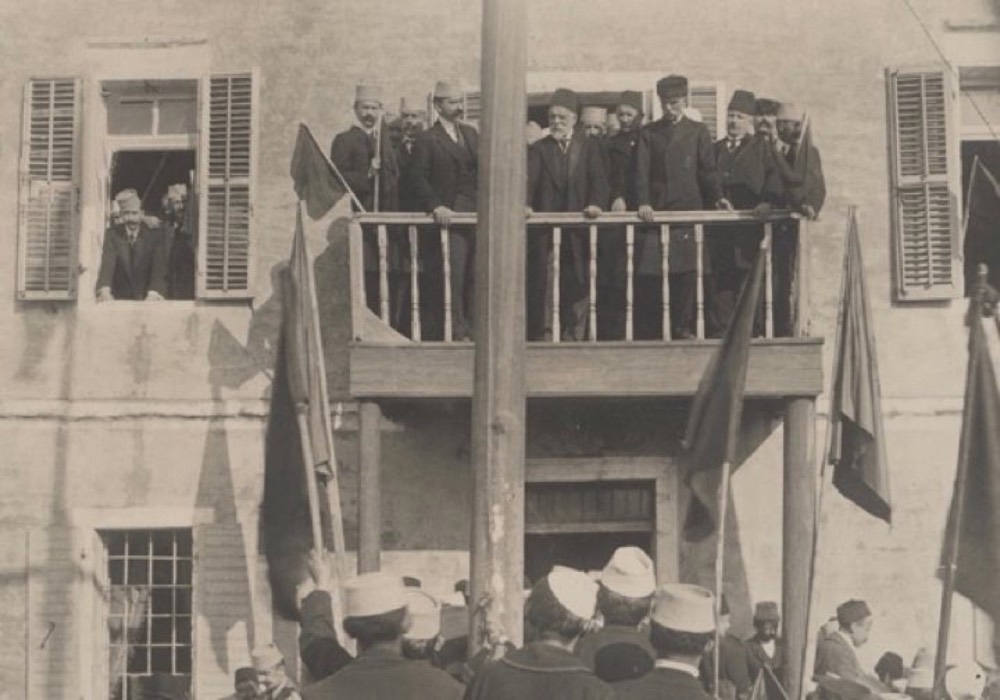 1878-1912RilindjaRinascita nazionale
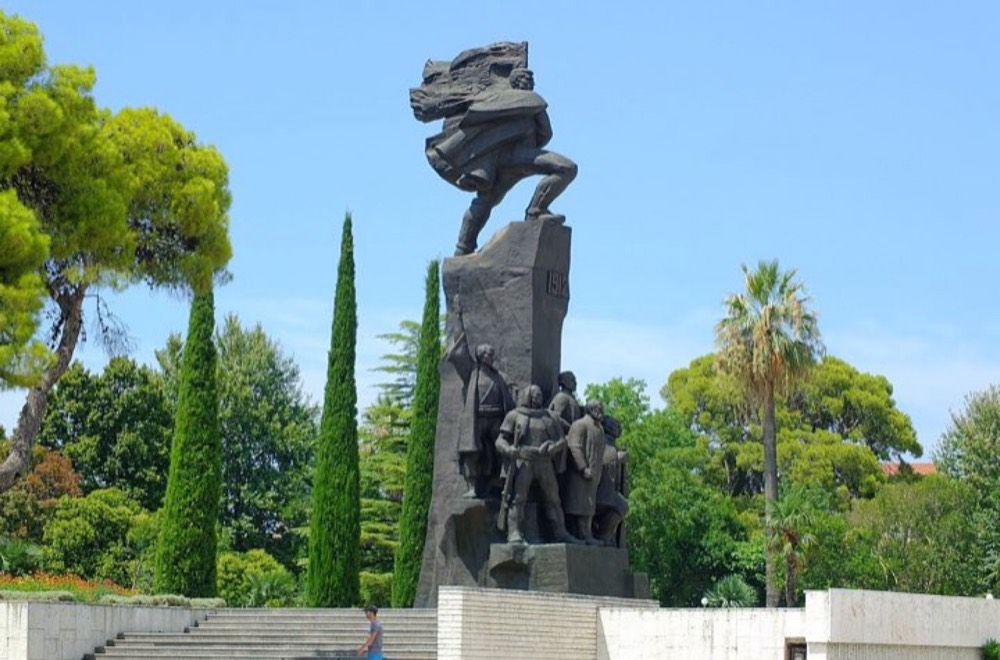 1912-1944Il giovane statoLo Stato nuovo
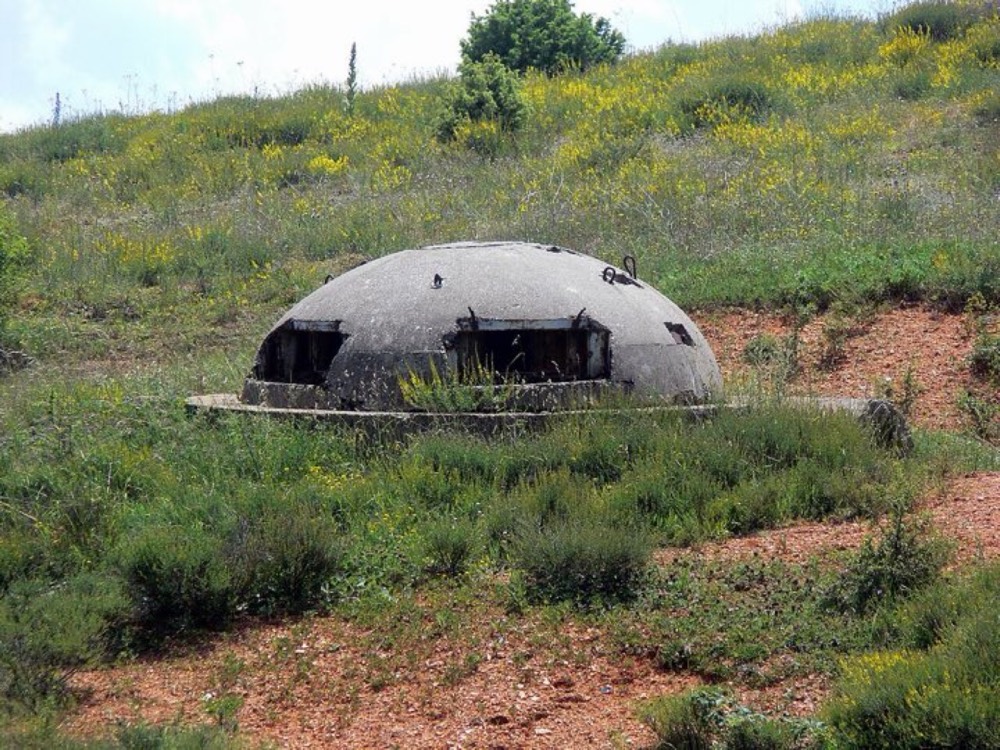 1944-1991Il paese chiusoGli anni chiusi
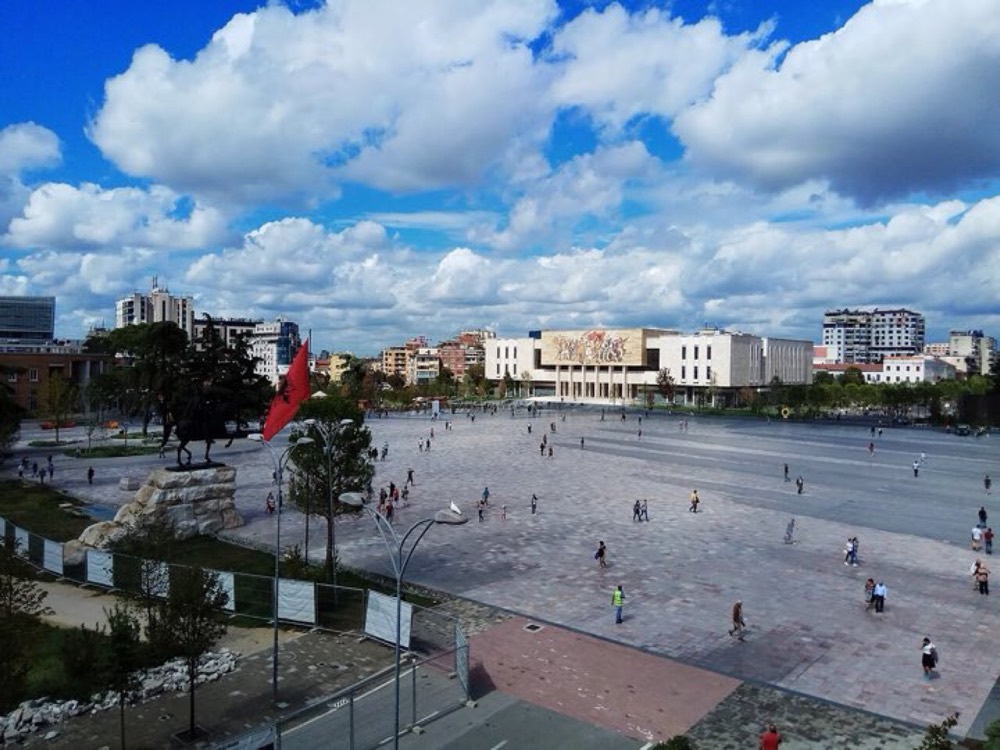 Dal 1991 a oggiL'aperturaL'apertura
 IOriginiOrigini
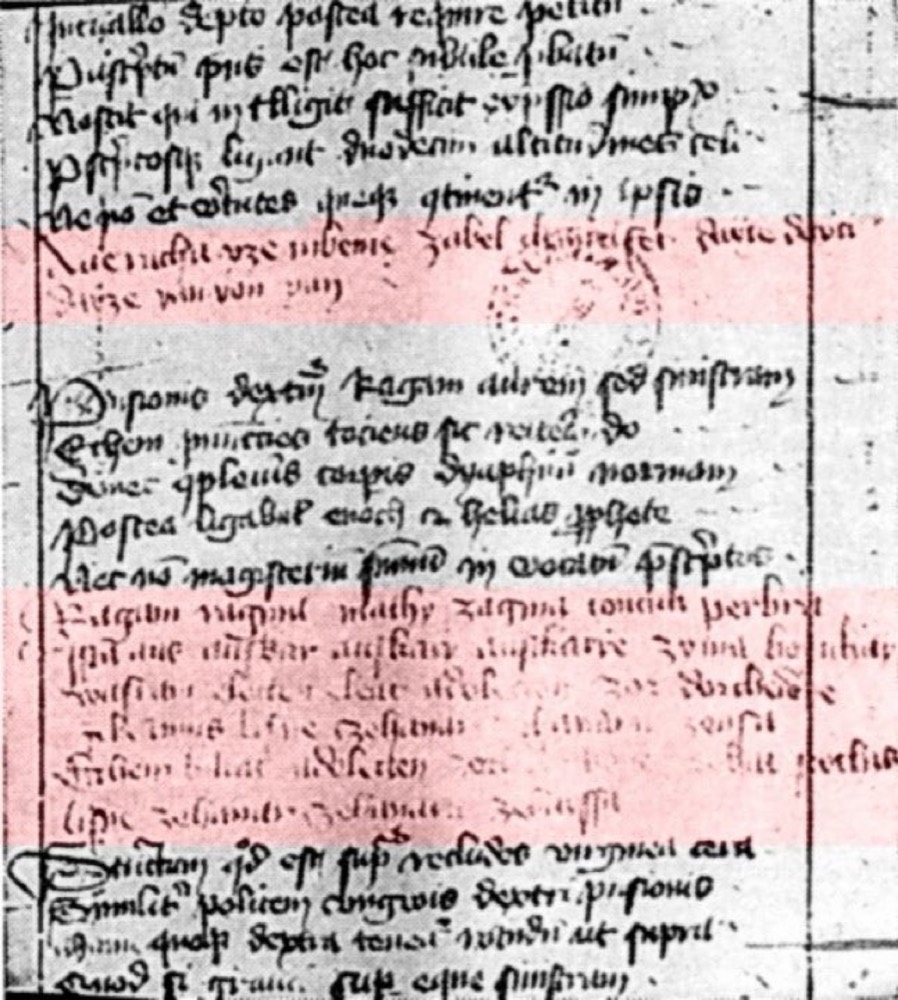 IILa linguaFjala
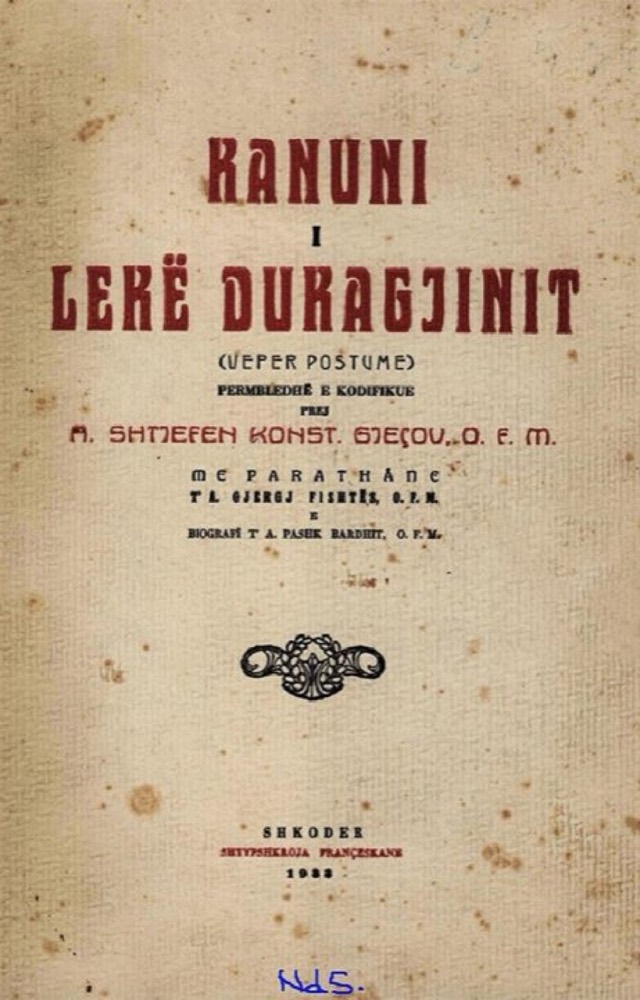 IIIIl codiceKanuni
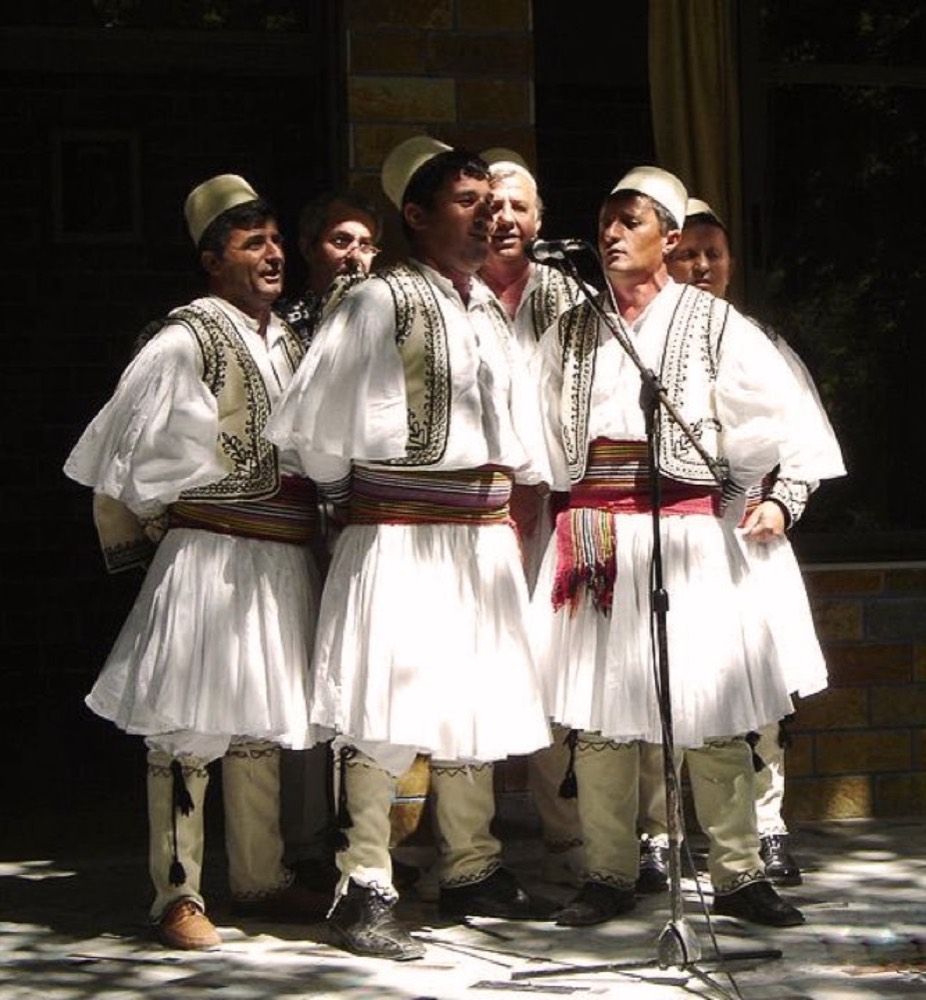 IVLa voceZëri
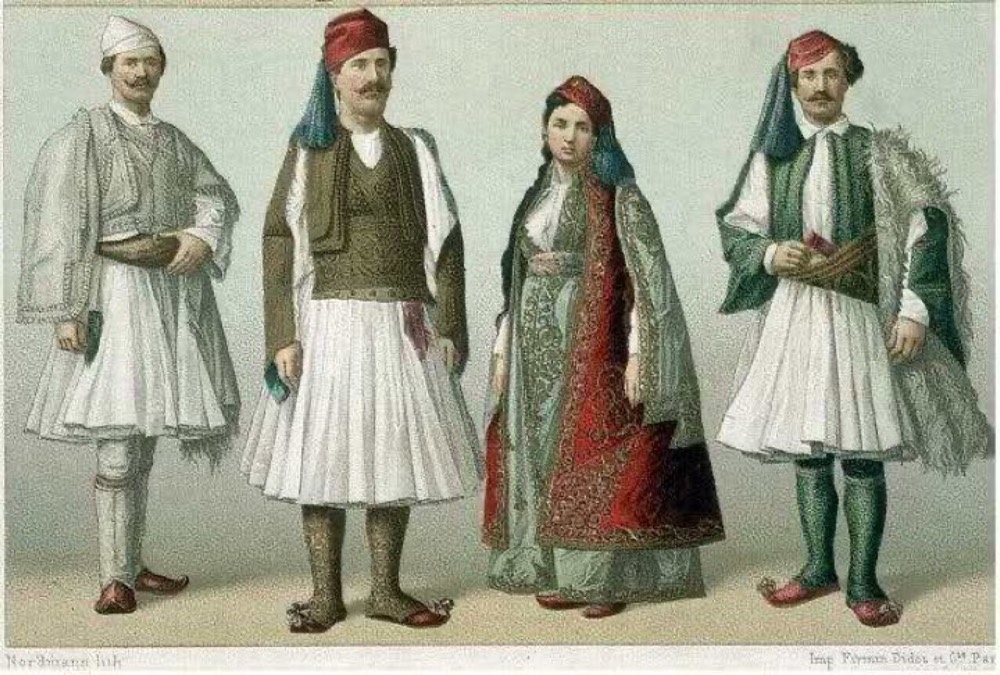 VIl tessutoPetku
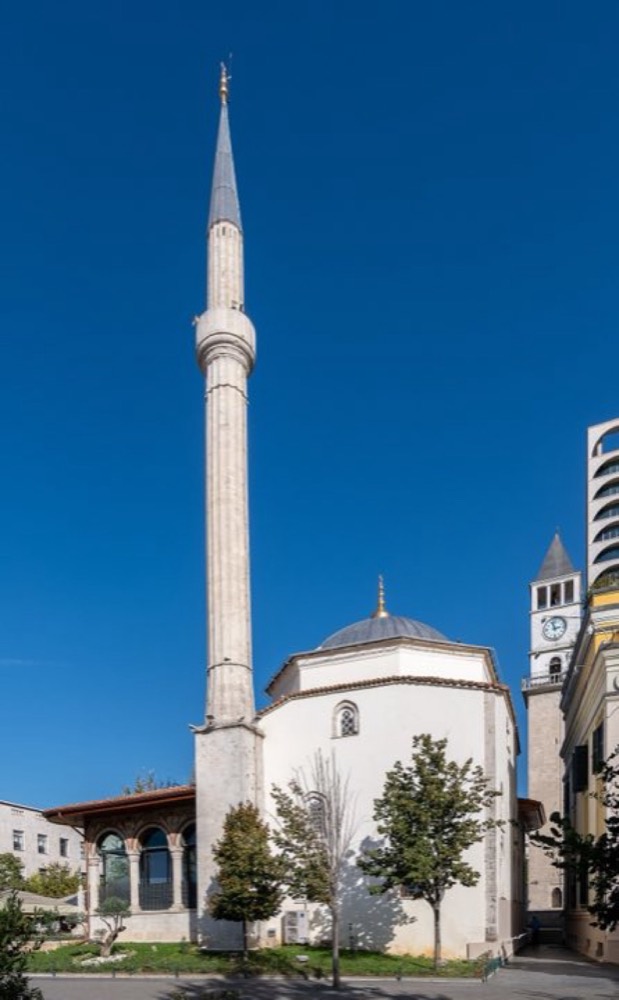 VIFedeBesimi
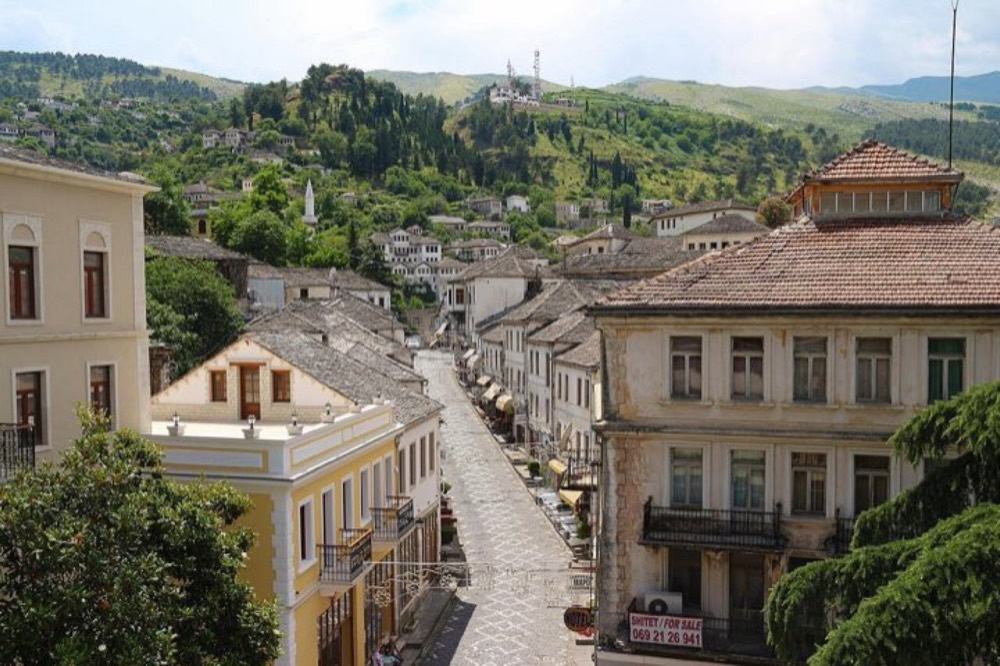 VIIPietraGuri
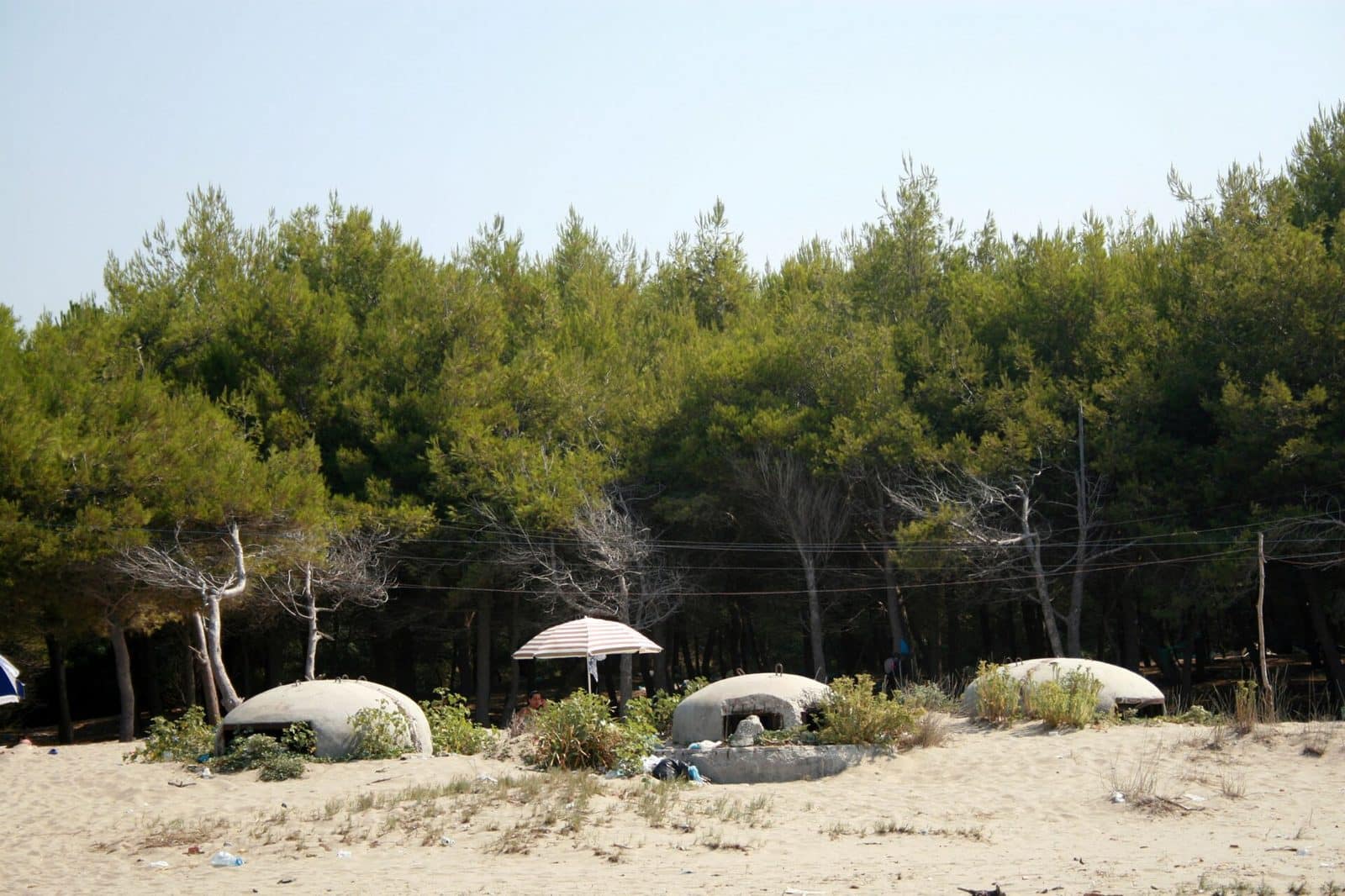 VIIIIl bunkerBunkeri
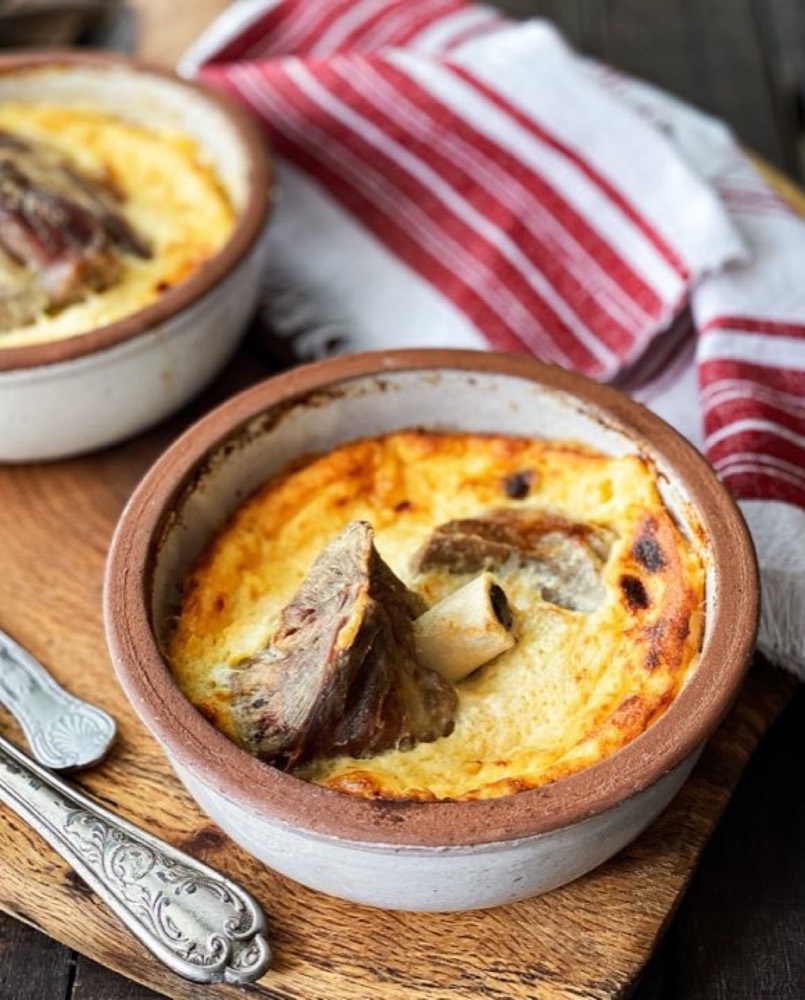 IXLa tavolaSofra
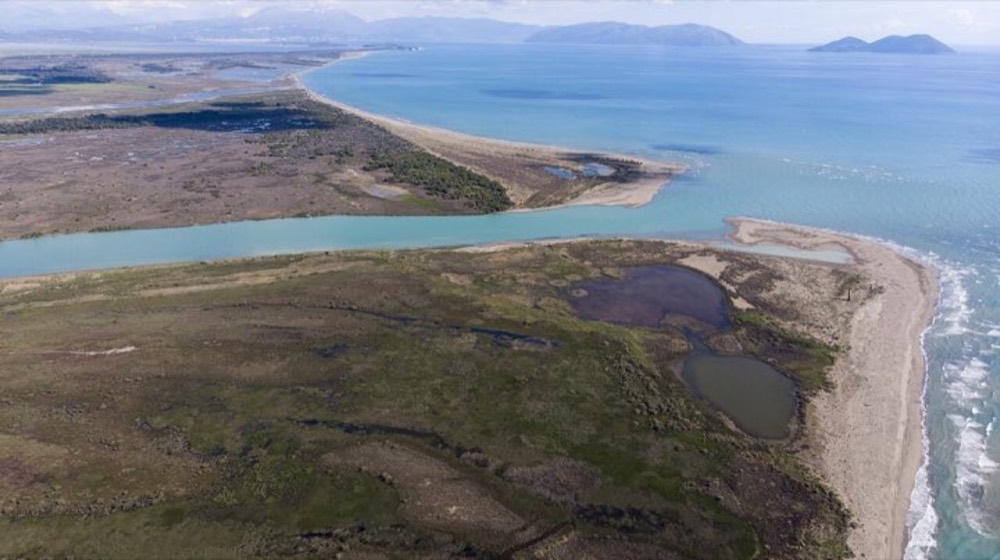 XTerra e acquaToka
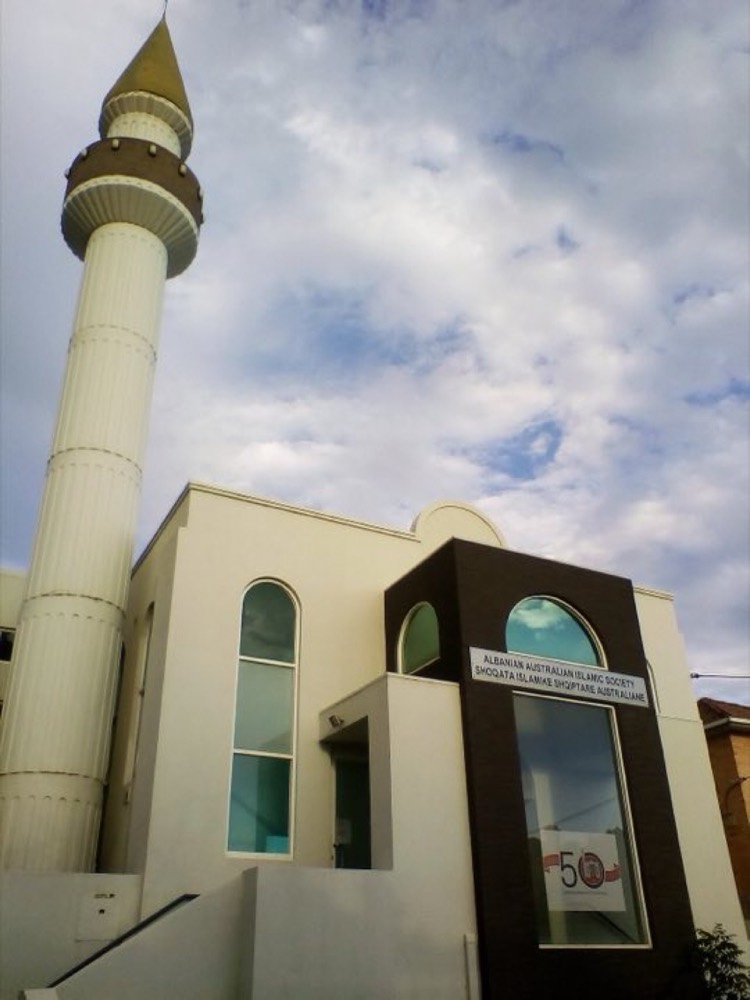 XILa diasporaBota
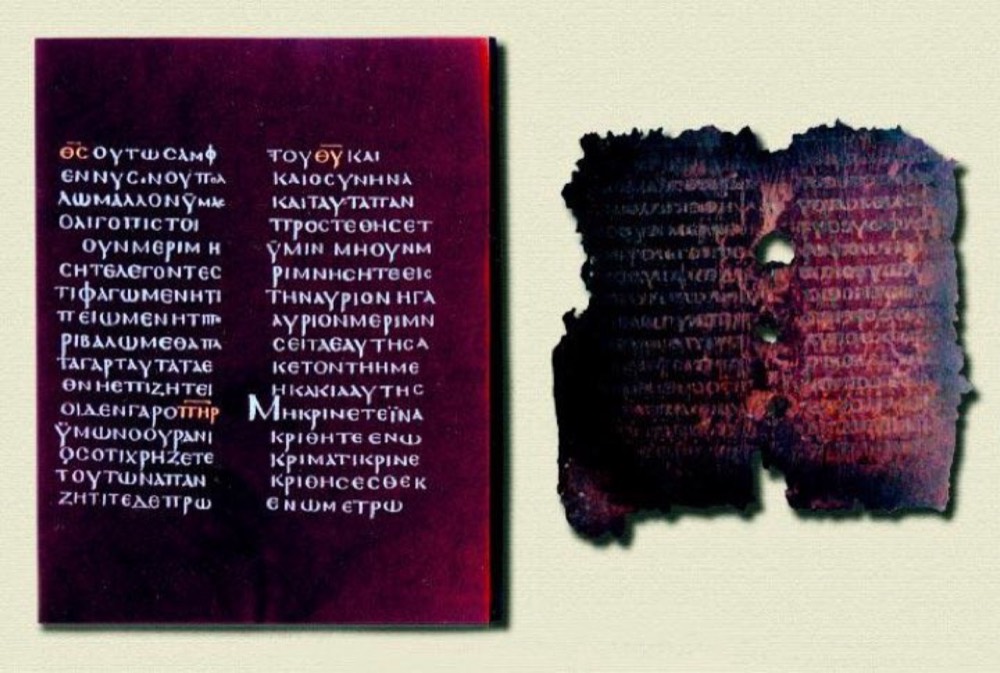 Codex Purpureus Beratinus
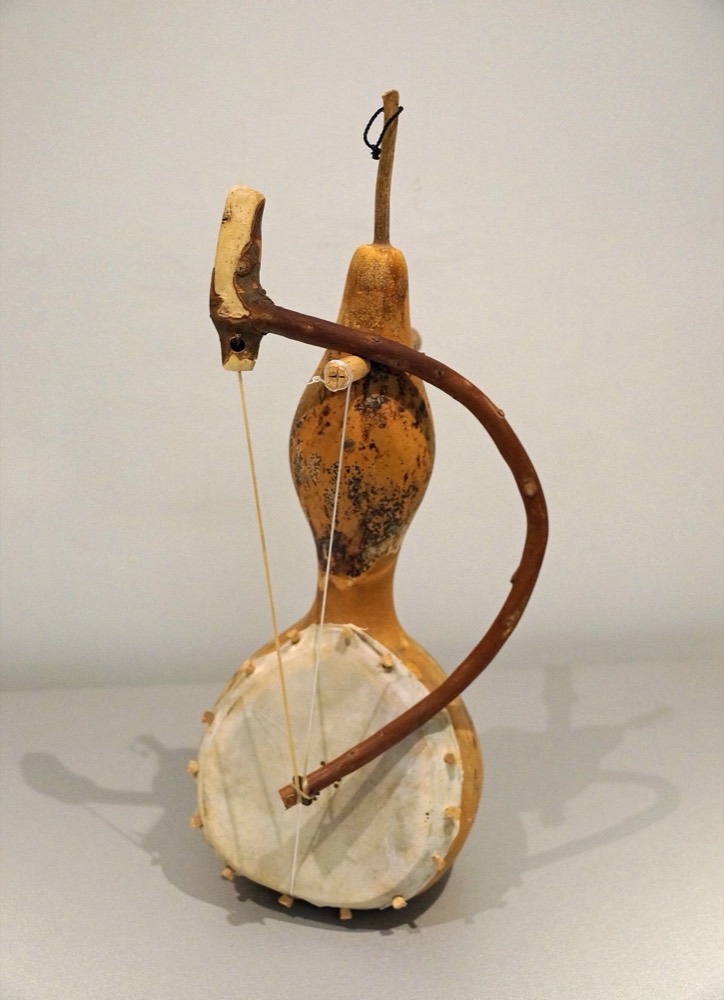 Lahutë
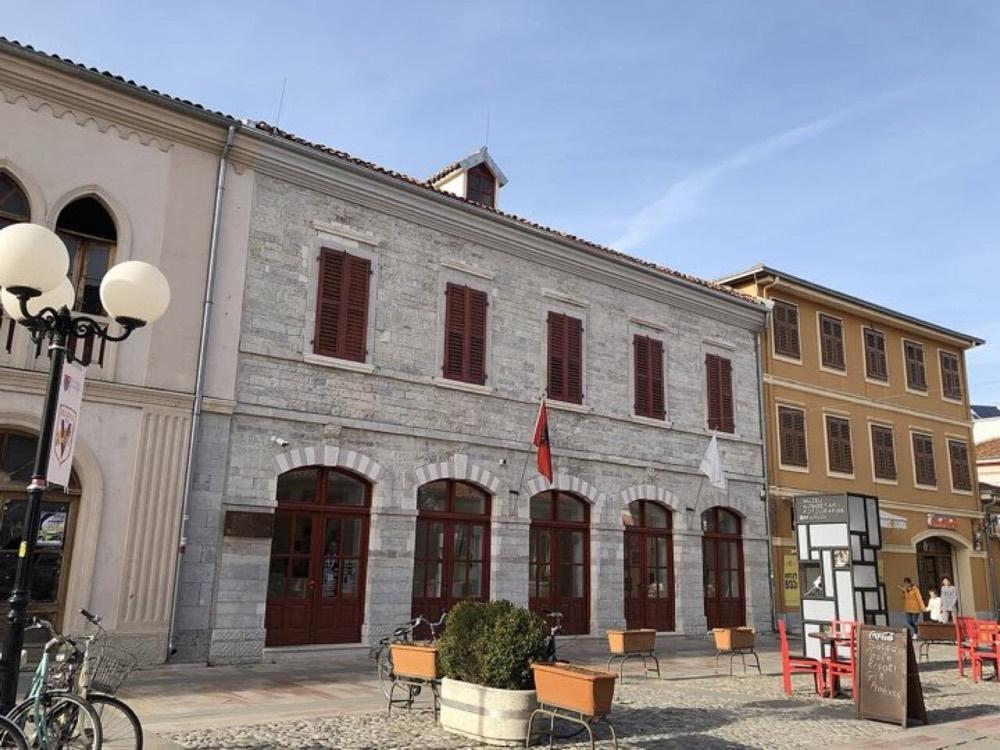 Negativo su vetro Marubi
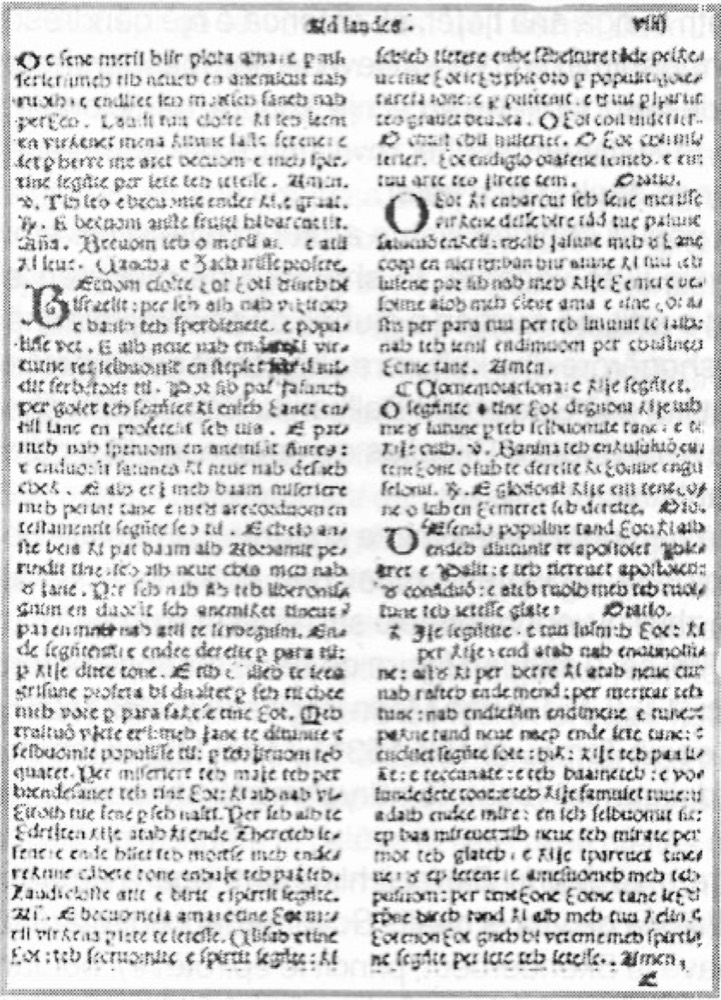 Meshari
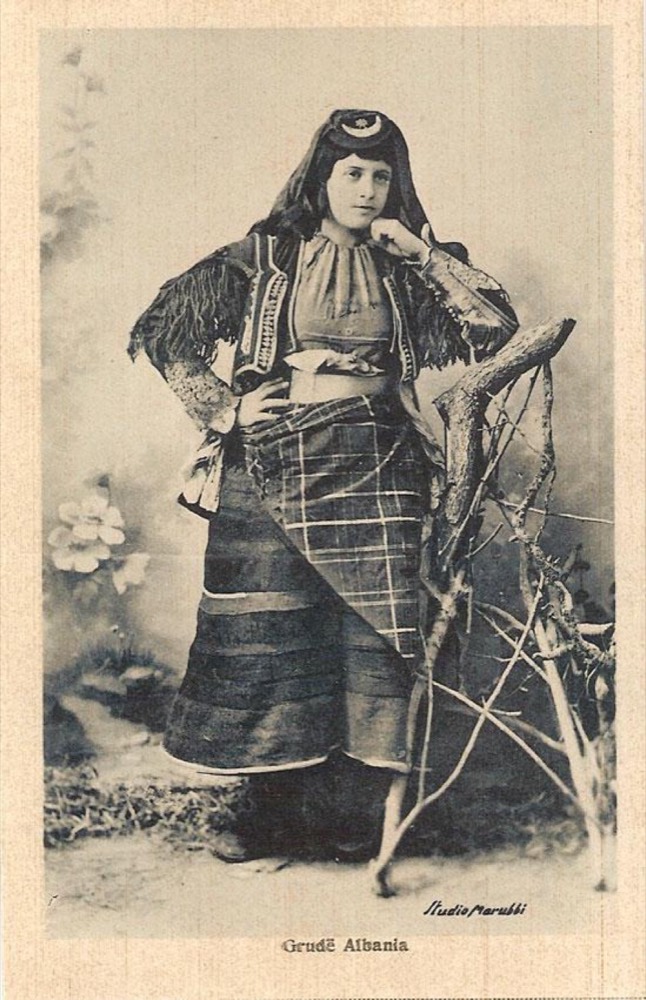 Xhubleta
Përshëndetje
di’ «pur-shun-DET-yeh»
Ciao
Faleminderit
di’ «fah-leh-meen-DEH-reet»
Grazie
Ju lutem
di’ «yoo LOO-tem»
Per favore
Sa kushton?
di’ «sah koosh-TOHN»
Quanto costa?
Gëzuar!
di’ «guh-ZOO-ar»
Salute!
Shumë bukur
di’ «SHOO-muh BOO-koor»
Bellissimo
Ujë
di’ «OO-yuh»
Acqua
Mirupafshim
di’ «meer-oo-PAHF-sheem»
Arrivederci
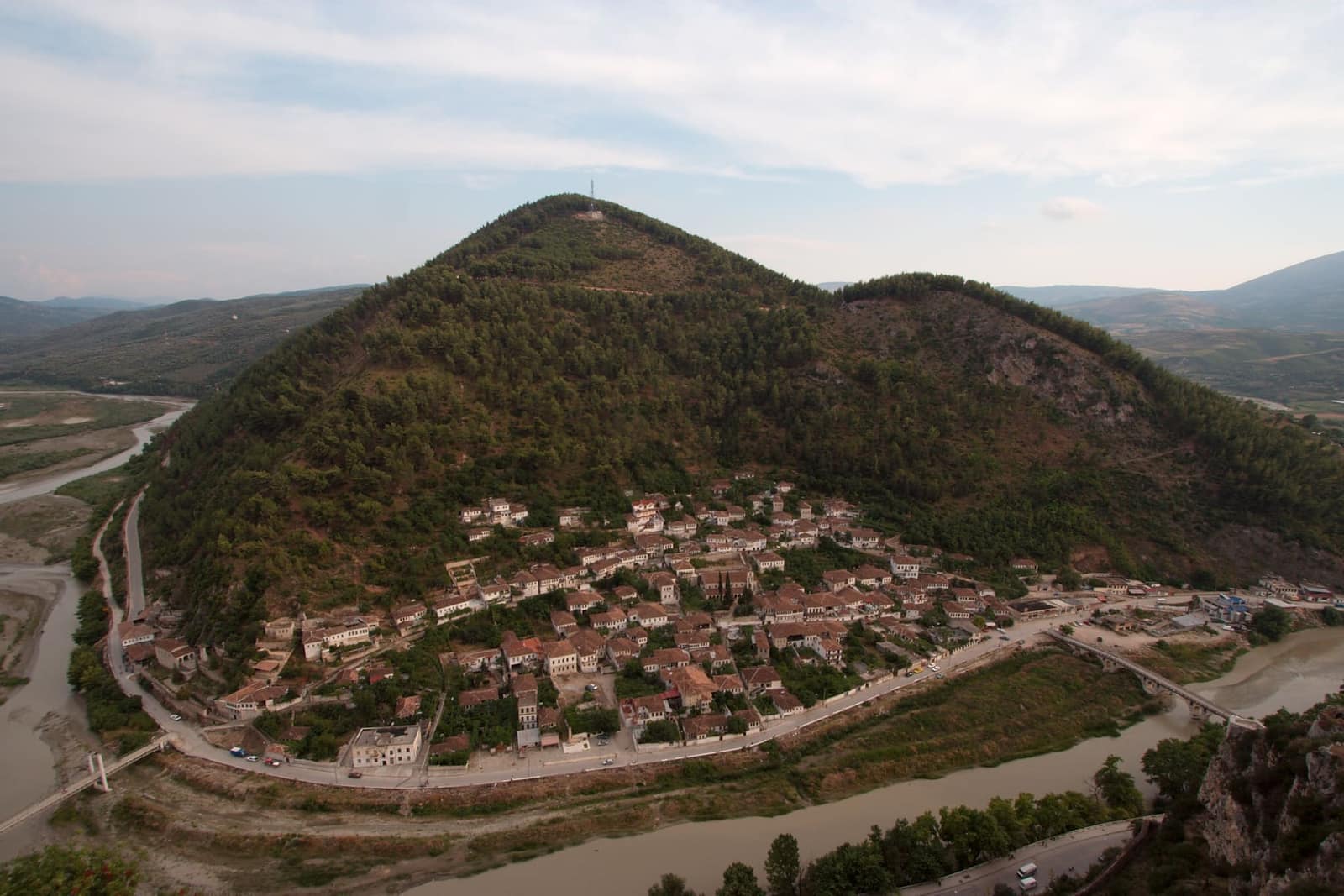
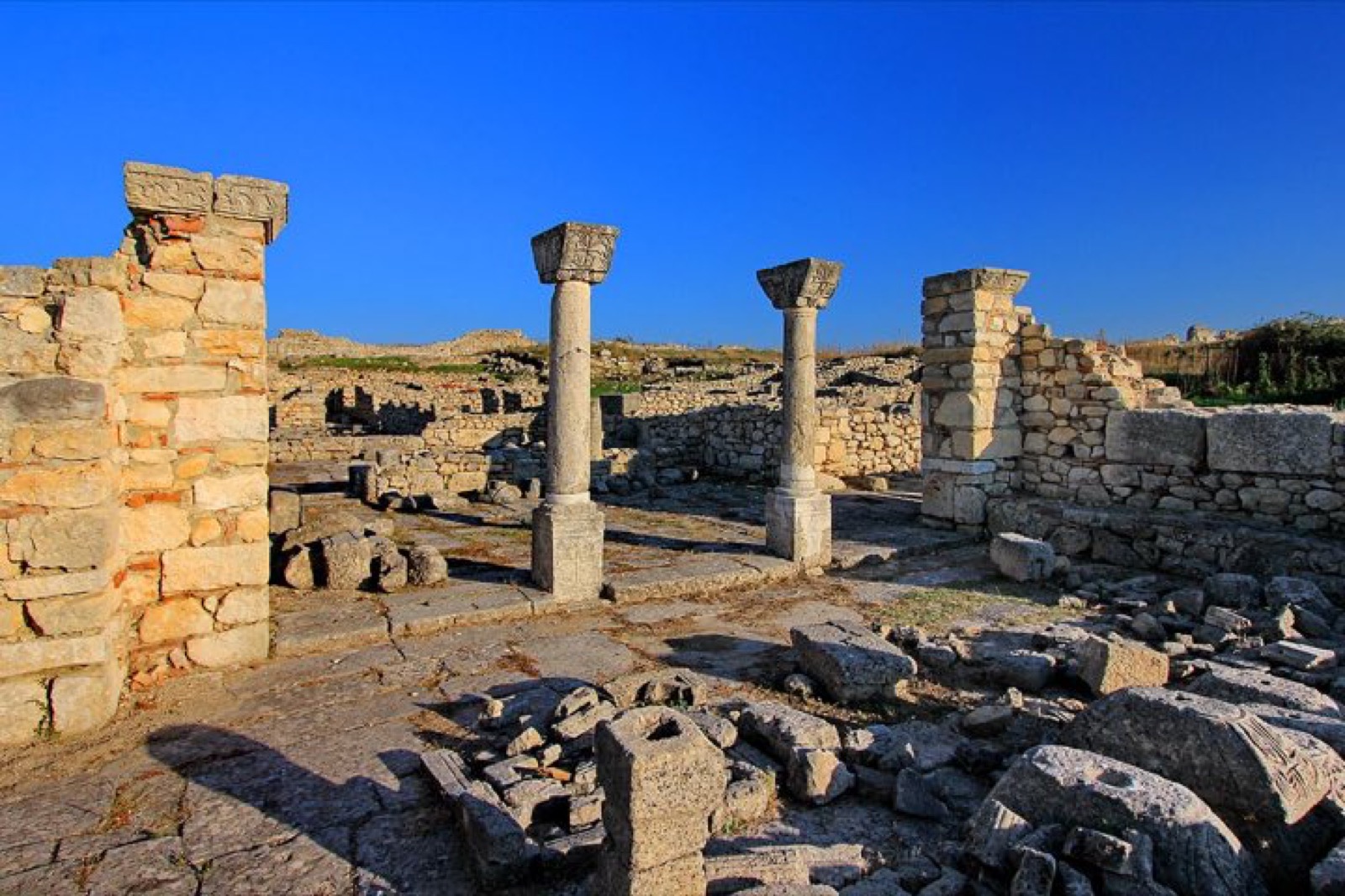
Yes. In a country smaller than Belgium you can walk a Greek and Roman city at Butrint, sleep in the Ottoman stone towns of Berat and Gjirokastër, climb Skanderbeg's castle at Krujë and hear a singing tradition UNESCO lists as heritage of humanity. Most of it is a few hours' drive from Tirana.
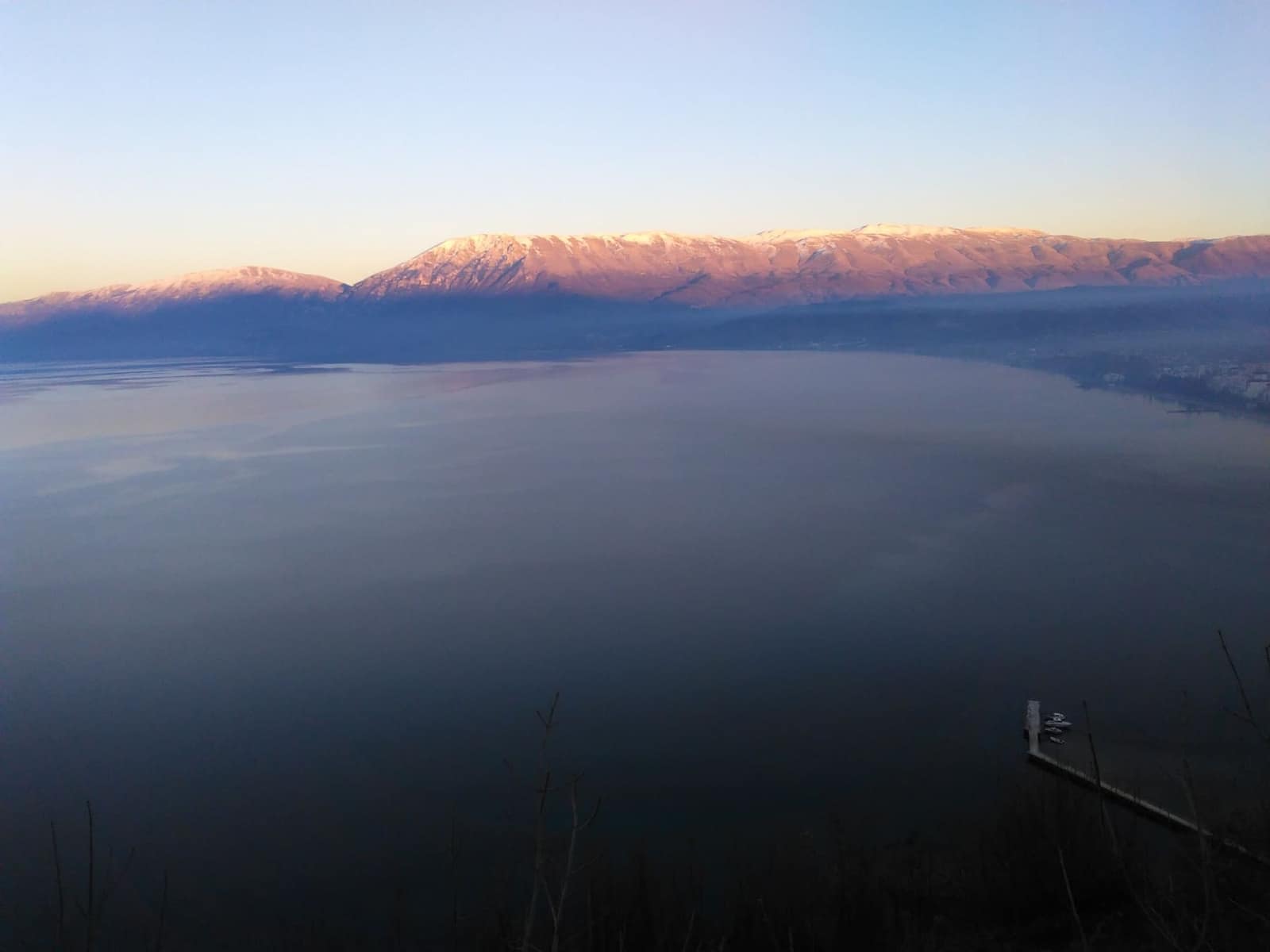
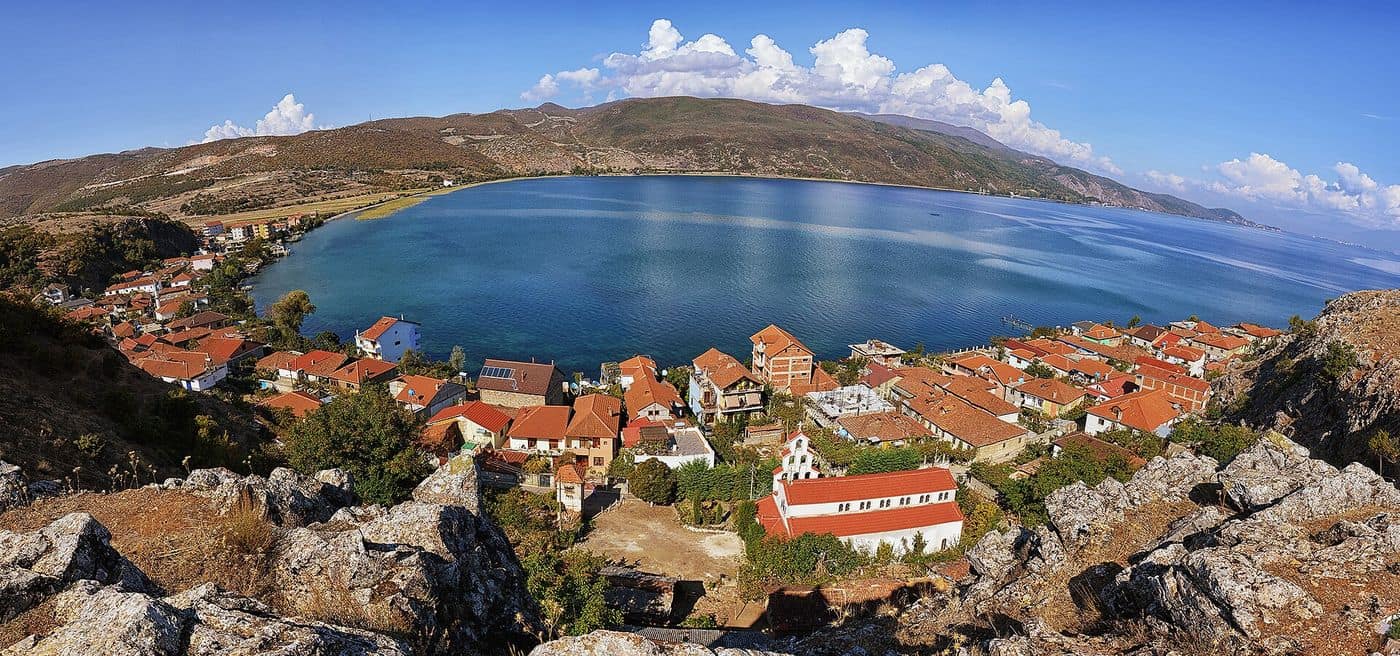
Albania has 4 World Heritage Sites: Butrint (1992), Historic centres of Berat and Gjirokastër (2005), Ohrid region, natural and cultural (2019), Ancient beech forests (2017). It also has 5 traditions on UNESCO's intangible heritage lists, including Albanian folk iso-polyphony and Xhubleta.
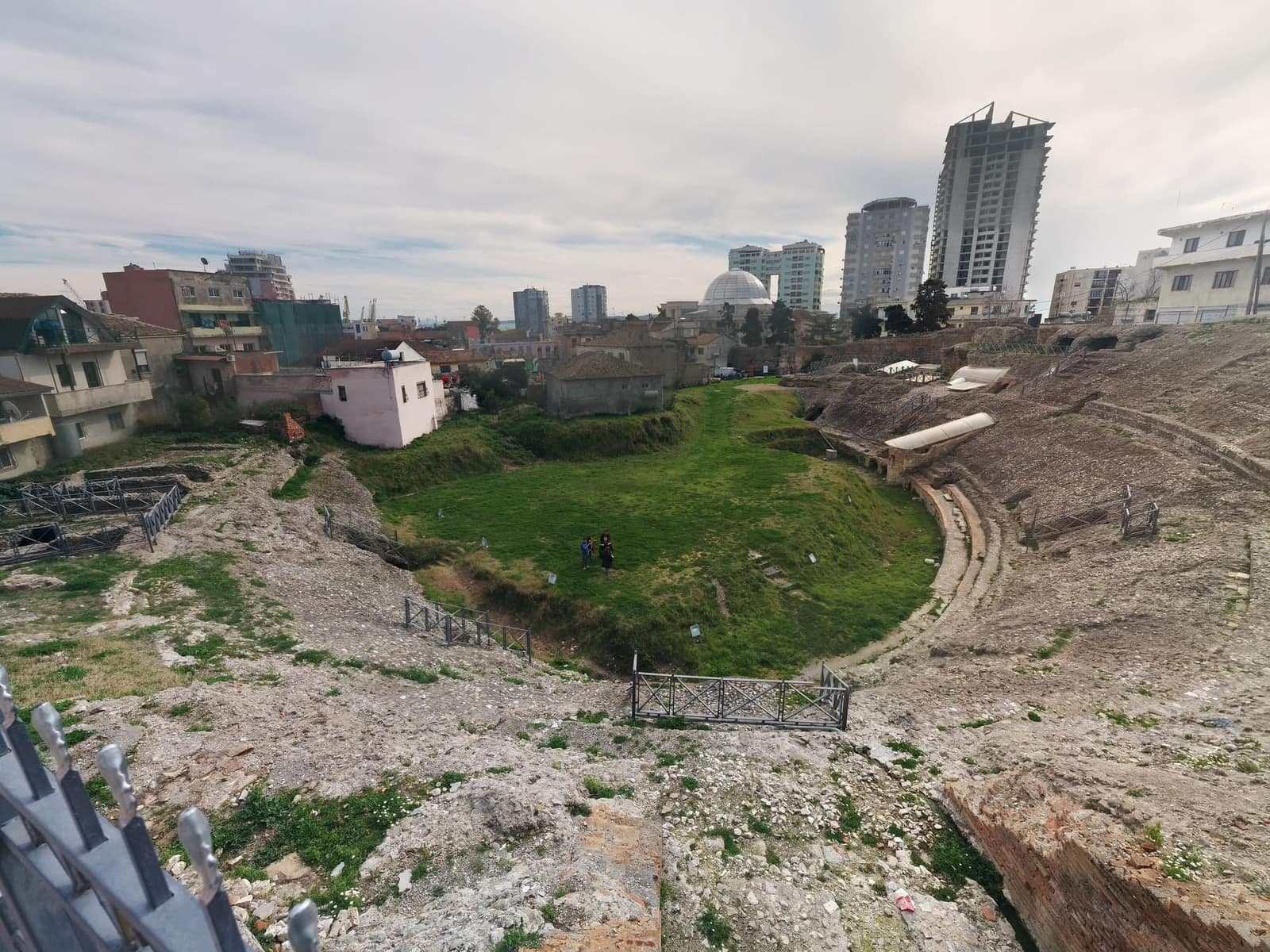
Krujë (Skanderbeg's castle and the old bazaar) and Durrës (a Roman amphitheatre) are both under an hour away. Berat, Apollonia and Shkodër with Rozafa castle are comfortable day trips. Gjirokastër, Butrint and Korçë are best with a night on the way.
Not your own. Buses reach the main towns but rarely the castles, ruins and viewpoints themselves, and mountain roads are hard work in a rental. A private driver takes you door to door and waits at every stop. Tour Alb runs ready-made trips from Tirana and a trip builder for your own route.
April to June and September to October: warm, green and quieter than the coast in August. Highland places such as Theth are best from late May to October, when the mountain road is open.
Albania is generally regarded as a safe, welcoming country for visitors, and hospitality (besa, keeping your word to a guest) is part of the culture. The main practical risk is the roads: steep, narrow and often unsigned in the mountains, which is why many visitors choose a local driver.
Ricerca di ARBËR, il Living Museum of Albania. I fatti pubblicati sono verificati o presentati come dibattito aperto.